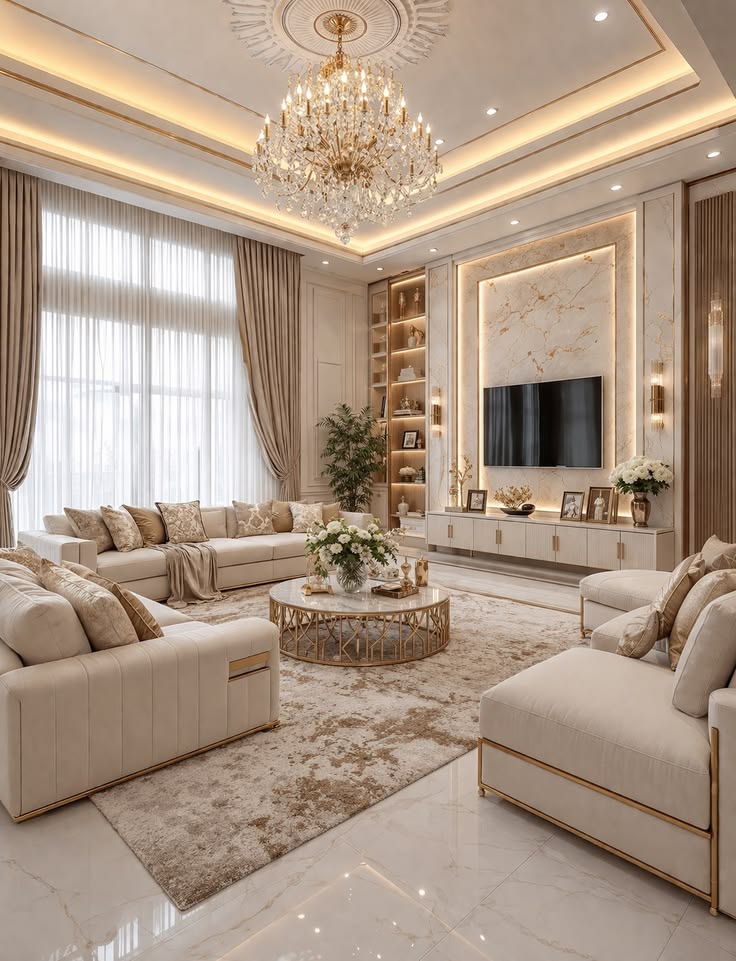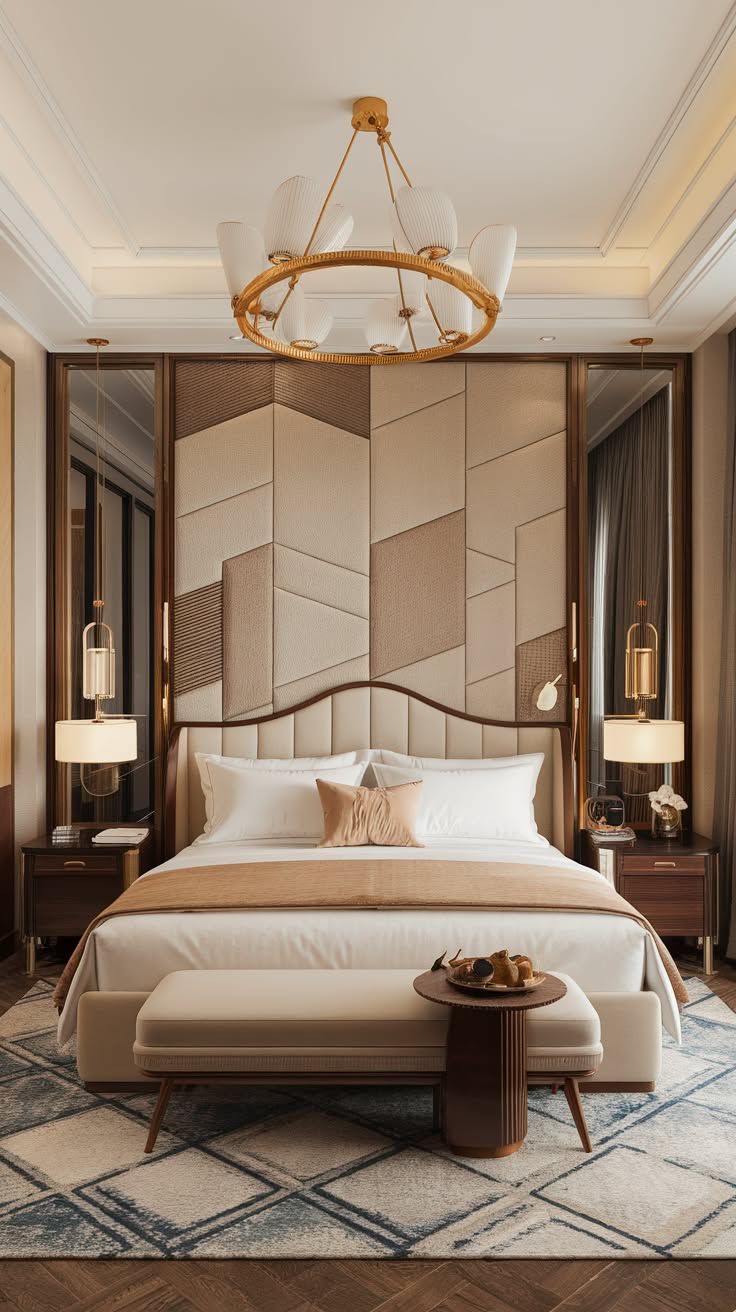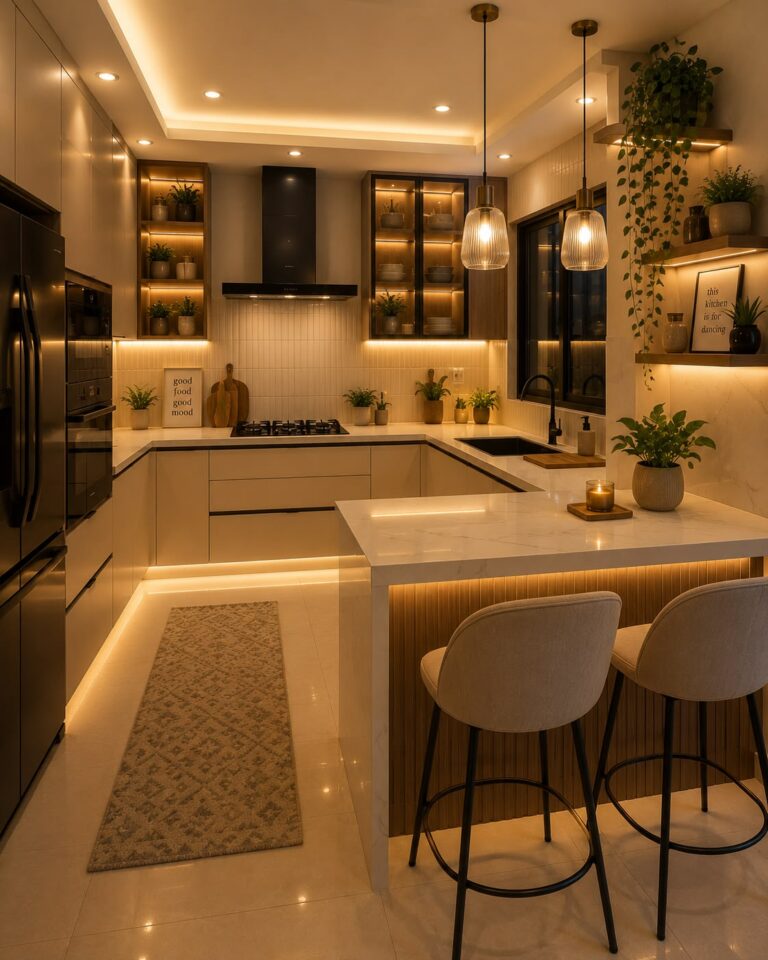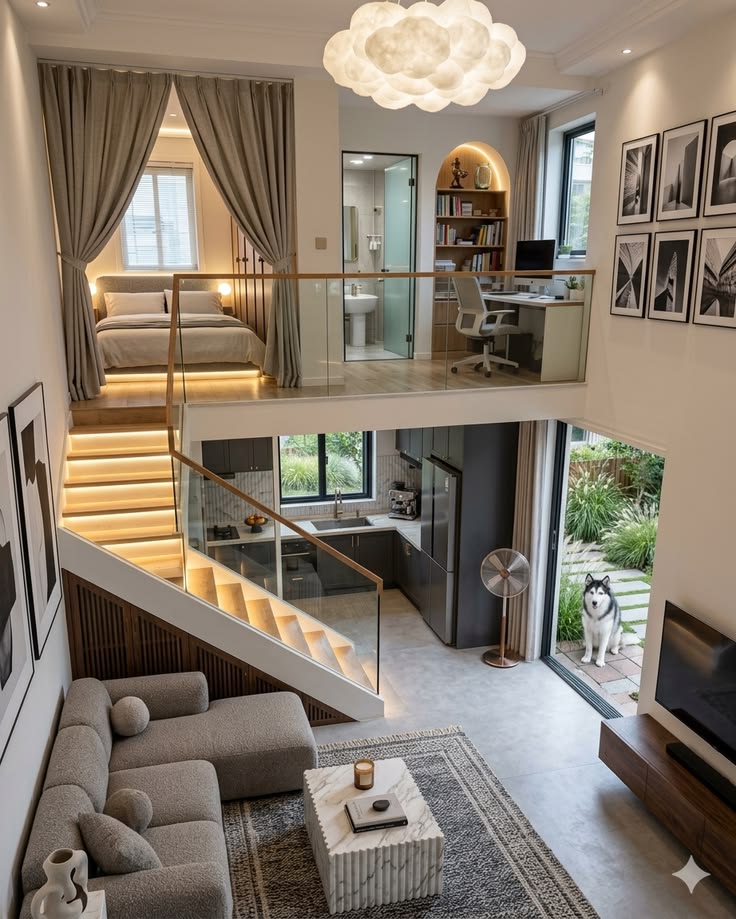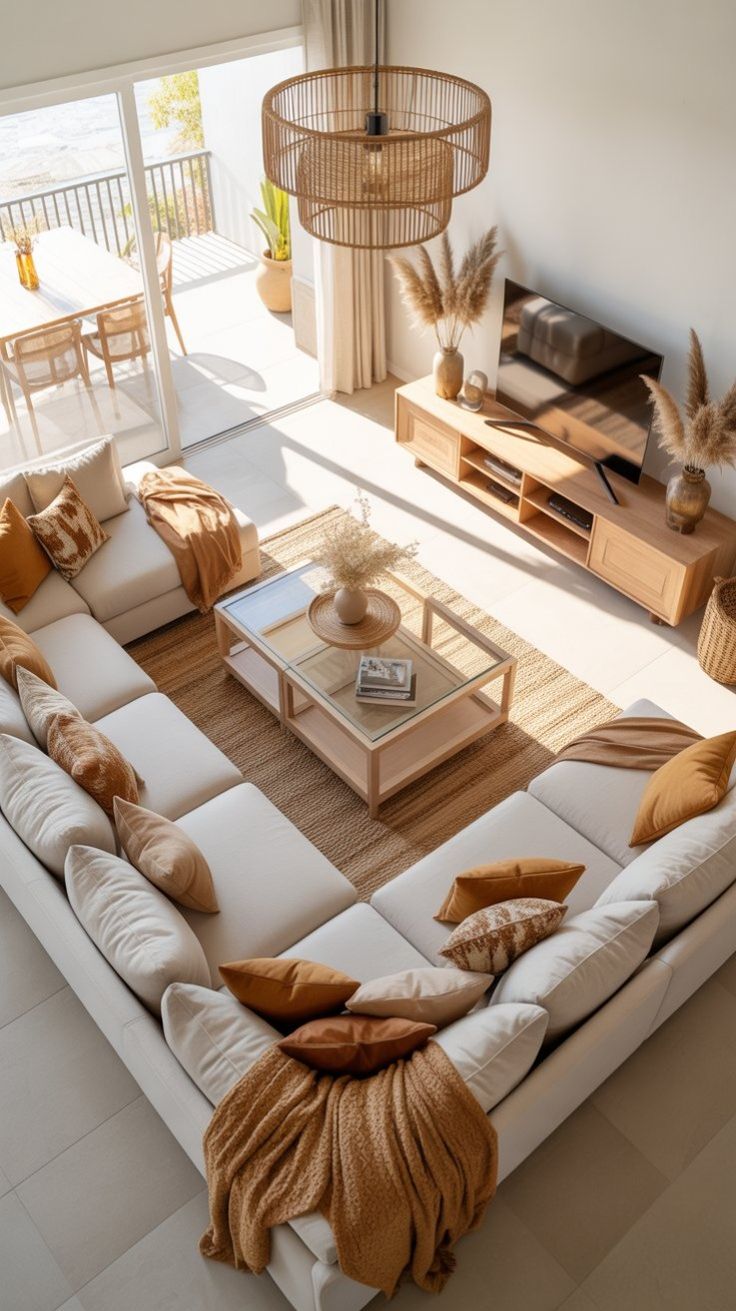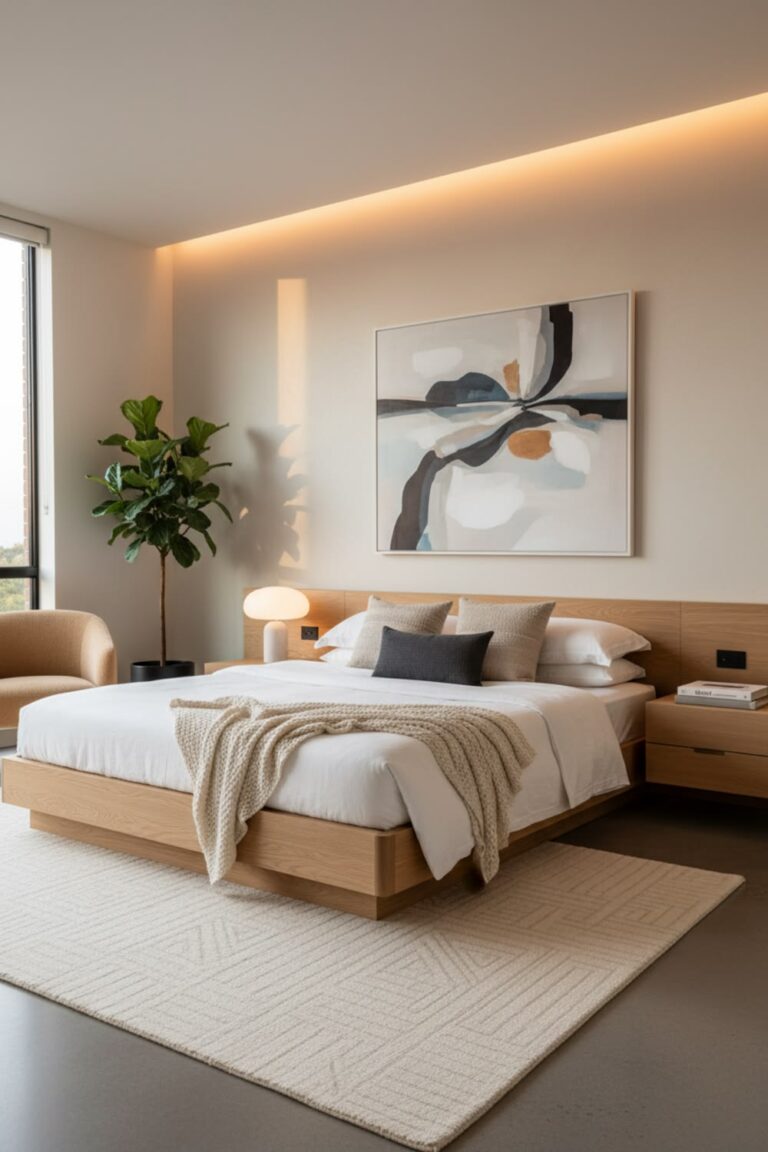

75 Luxury Small Living Room Ideas that Look Expensive.
Disclosure: Some of the links in this post are affiliate links. This means if you click on the link and purchase an item, I will receive an affiliate commission at no extra cost to you.
Creating a luxury small living room is not as hard as most people think.You can Walk into almost any beautifully designed luxury living room, and you’ll notice something surprising.
The room rarely feels impressive because every piece of furniture is expensive. Instead, it feels calm, balanced, intentional, and effortlessly inviting and that’s the part many homeowners and renters miss. As a designer, i have noticed that when people want their small living room to look luxurious, they often begin with a shopping list.
They search for designer sofas, marble coffee tables, oversized chandeliers, or the latest décor trends, believing these purchases will instantly elevate the space. Yet after spending more than planned, the room often still feels crowded, unfinished, or somehow “off.” Now the problem is not usually the budget rather it is the strategy used.
As a professional interior designer, I can tell you for a fact that we want make small space look luxurious, we rarely start by asking, “What should we buy?” we begin with a different question and that is “How should this room feel, and what design decisions will create that feeling?” and honestly that shift in thinking changes everything.
Luxury isn’t created by filling a room with expensive objects. In fact, some of the most elegant small living rooms I’ve seen had modest budgets, while some of the most expensive spaces lacked warmth, personality, and visual harmony. The difference almost always came down to thoughtful planning rather than lavish spending.
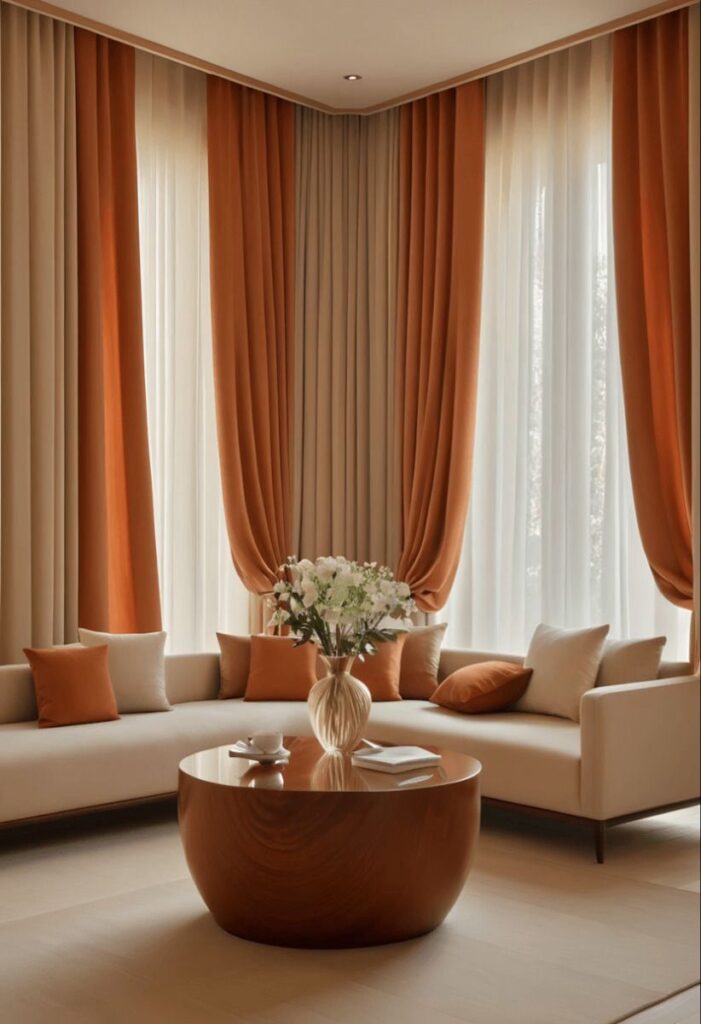
A truly luxurious living room invites you to slow down. Morning sunlight gently filters through full-length curtains that draw the eye upward, making the ceiling feel taller than it really is. A carefully chosen rug grounds the furniture instead of floating awkwardly beneath it.
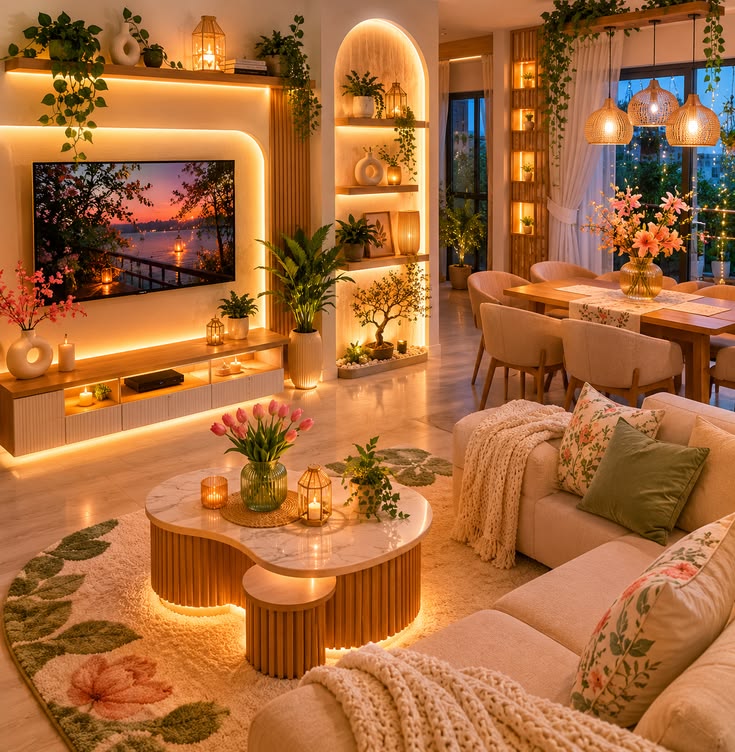
Soft lighting replaces harsh overhead glare, allowing textured fabrics, natural wood, and layered accessories to create warmth as evening settles in. Nothing feels random, yet nothing feels overly staged. Every element contributes to a sense of balance.
Throughout this guide, you’ll notice that the advice goes beyond decorating tips. Rather than simply telling you to “add a mirror” or “buy neutral furniture,” you’ll learn why professional designers make those choices, when they work best, and how to adapt them to your own home.
You’ll also discover common mistakes that quietly diminish a room’s elegance, even when the furniture itself is beautiful. Your living room serves as a family gathering space.
A quiet reading corner, a home office during the day, or an entertainment area in the evening, the same design principles apply. Luxury comes from creating a room that supports the way you live while remaining visually balanced and timeless
As you read, I encourage you to occasionally pause and look around your own living room. Notice where your eyes naturally land when you walk in. Observe how daylight moves through the space.
Pay attention to what feels cluttered, what feels unfinished, and which pieces genuinely contribute to the room’s overall character. This simple habit is one of the most valuable skills professional designers develop, and it can completely change how you approach decorating.
75 luxury Small Living Room Ideas that Look Expensive.
1. Choose a Sophisticated Neutral Color Palete
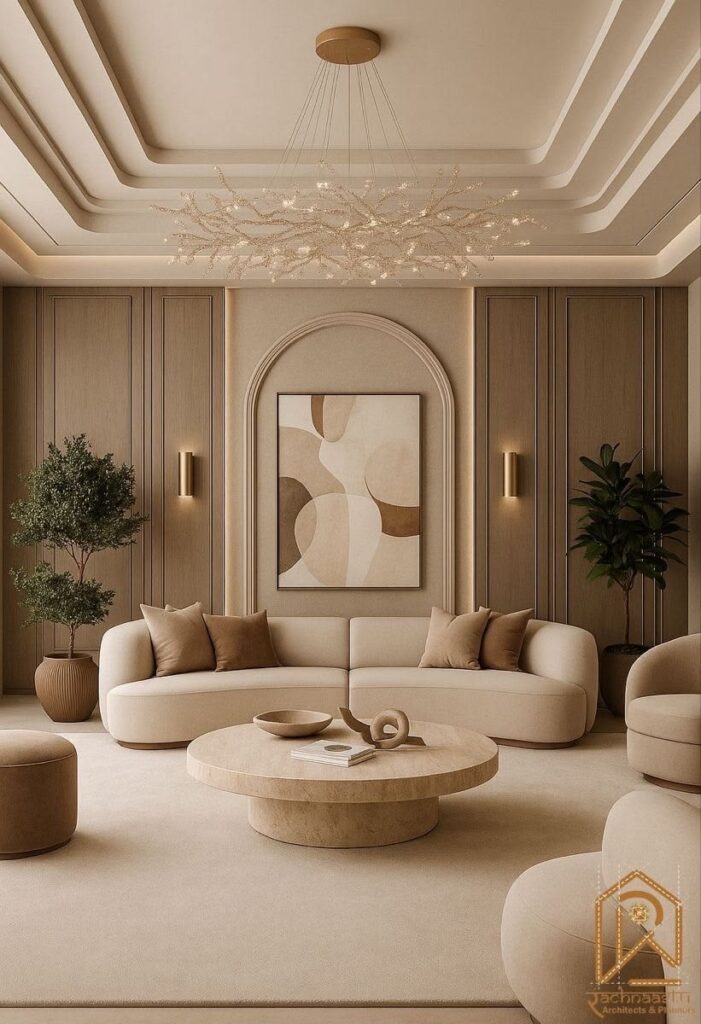
A luxurious living room doesn’t have to be entirely beige or white, but it almost always has a cohesive color story.
One of the biggest differences between professionally designed interiors and average living rooms is restraint.
Rather than competing for attention, the colors work together to create a calm, layered backdrop that allows textures, lighting, and furniture to become the stars of the room.
Warm whites, soft greiges, taupe, mushroom tones, muted olive, charcoal, and rich earthy browns are all timeless choices that work beautifully in compact spaces.
These colors reflect light softly, making walls feel less visually heavy while creating an elegant atmosphere.
2. Paint Walls and Trim, the Same Color
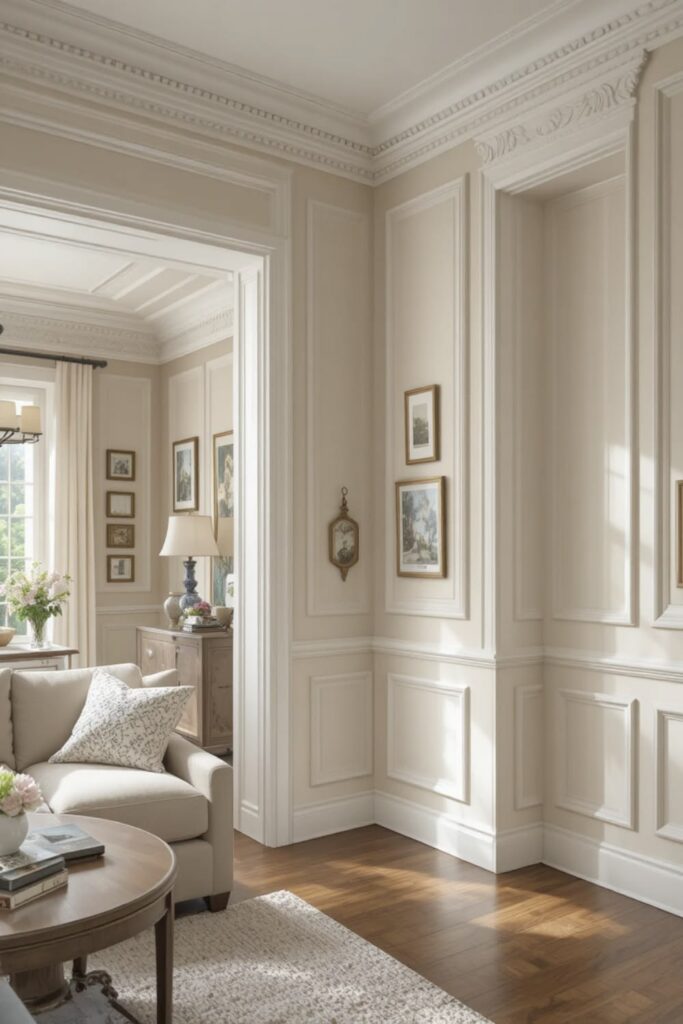
This is one of the simplest techniques professional designers use to make a small room look expensive and more sophisticated, yet it’s still surprisingly uncommon.
Painting the walls, baseboards, door frames, and even crown molding in the same shade softens visual interruptions and creates a seamless look.
So instead of the eye stopping at every white trim line, it moves effortlessly around the room.
This tends to make any visual boundary created by contrast to disappear making the room feel taller, quieter and more refined.
3. Raise Curtain Rods to Ceiling Height

In trying to make a small room look expensive, few decorating mistakes make a small living room look cheaper than curtains hung directly above the window frame.
That is why professionally designed rooms almost always place curtain rods much higher often just a few inches below the ceiling.
This simple adjustment changes how you perceive the entire room because your eye naturally follows vertical lines, so when curtains begin near the ceiling and extend all the way to the floor.
The walls appear taller and the windows seem larger than they actually are.
Install curtain rods as high as possible and choose curtains that gently touch the floor or barely break across it.
If privacy allows, extend the rod beyond the window frame so the curtains stack mostly outside the glass when opened.
This lets in more natural light while making the window appear wider and the result is a room that feels brighter, grander, and more luxurious.
4. Choose Curtains That Pool Gracefully on the Floor.
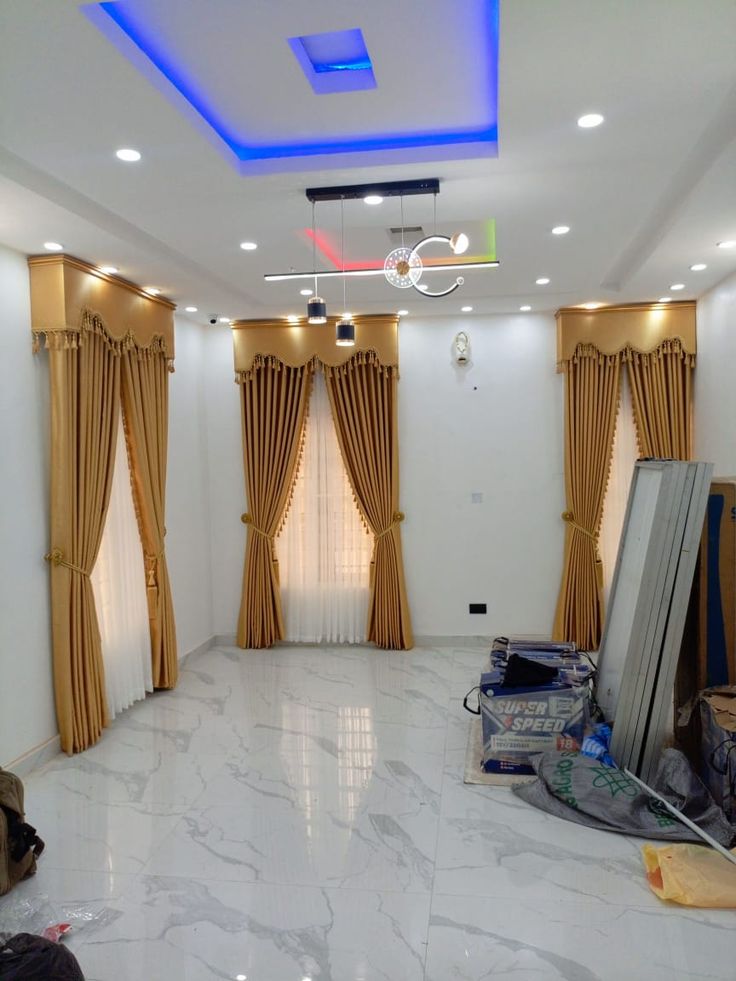
Curtains are often treated as an afterthought, yet they occupy one of the largest visual areas in a living room.
In a compact space, they can either elevate the entire design or quietly diminish it.
One of the fastest ways to make a small living room feel taller is to install curtain rods just below the ceiling rather than directly above the window.
This simple adjustment draws the eye upward, making both the windows and the room appear larger.
Pair the higher rod with full-length curtains that lightly touch the floor for a tailored, custom look.
5. To make a small room look expensive: Create a Strong Focal Point
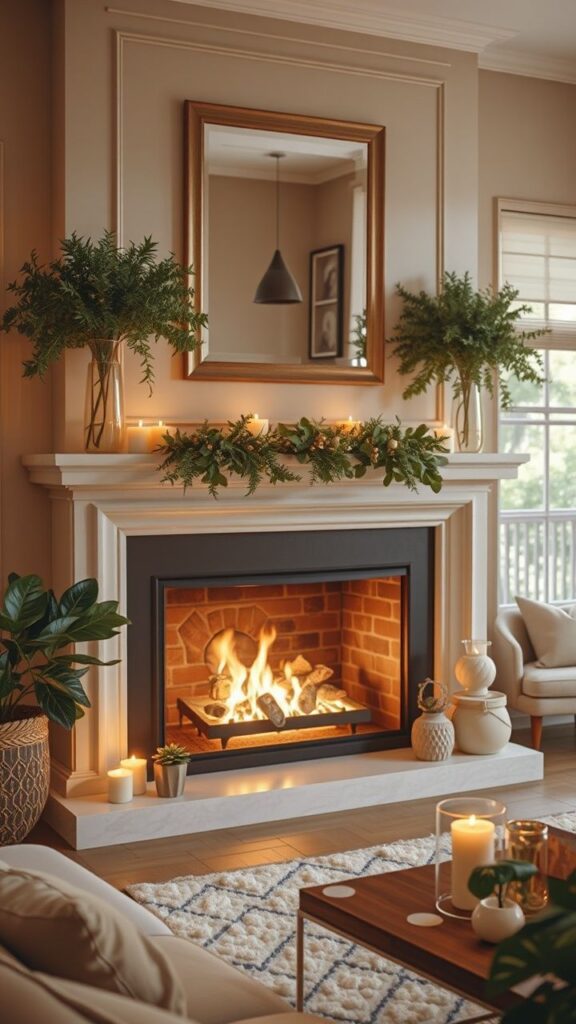
Every luxury living room has one thing that immediately captures your attention.
It could be a beautifully styled TV wall, a statement artwork, a fireplace, or even a large window dressed with elegant curtains.
Instead of competing for attention, everything else supports that focal point.
If every piece is trying to stand out, the room feels busy rather than luxurious.
Before buying new décor, ask yourself, “Where do I want people’s eyes to go first?” Designing around one focal point instantly makes a small living room feel more intentional.
6. Invest in One Beautiful Sofa
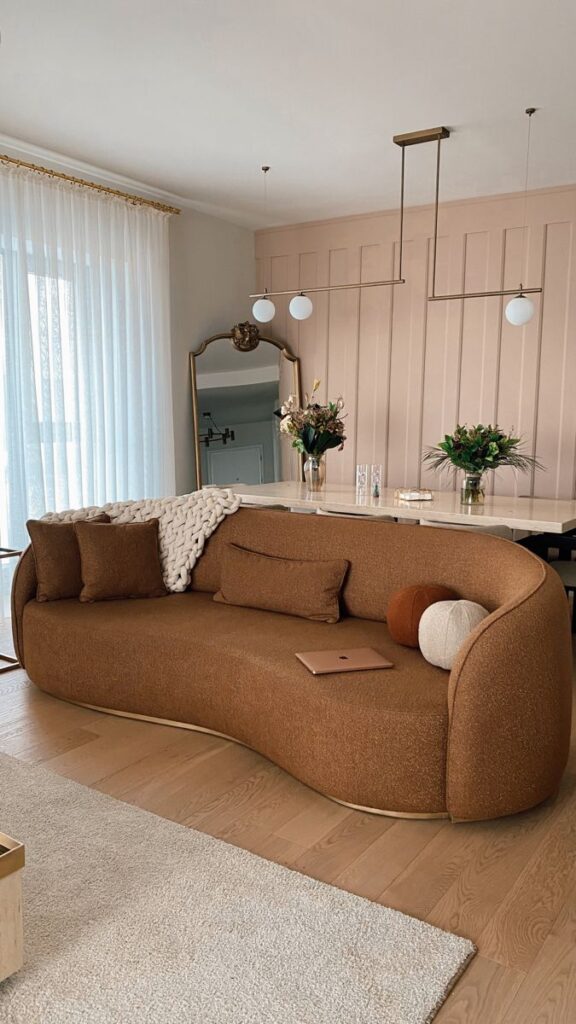
If there’s one piece worth investing in, it’s your sofa. As the largest item in most living rooms, it sets the tone for the entire space.
A timeless design in a neutral fabric will outlast trendy styles and make even budget-friendly accessories look more refined.
Rather than replacing every piece of furniture, build the room around one well-chosen sofa and upgrade the rest gradually.
7. Use a Large Area Rug for a that luxurious feel.
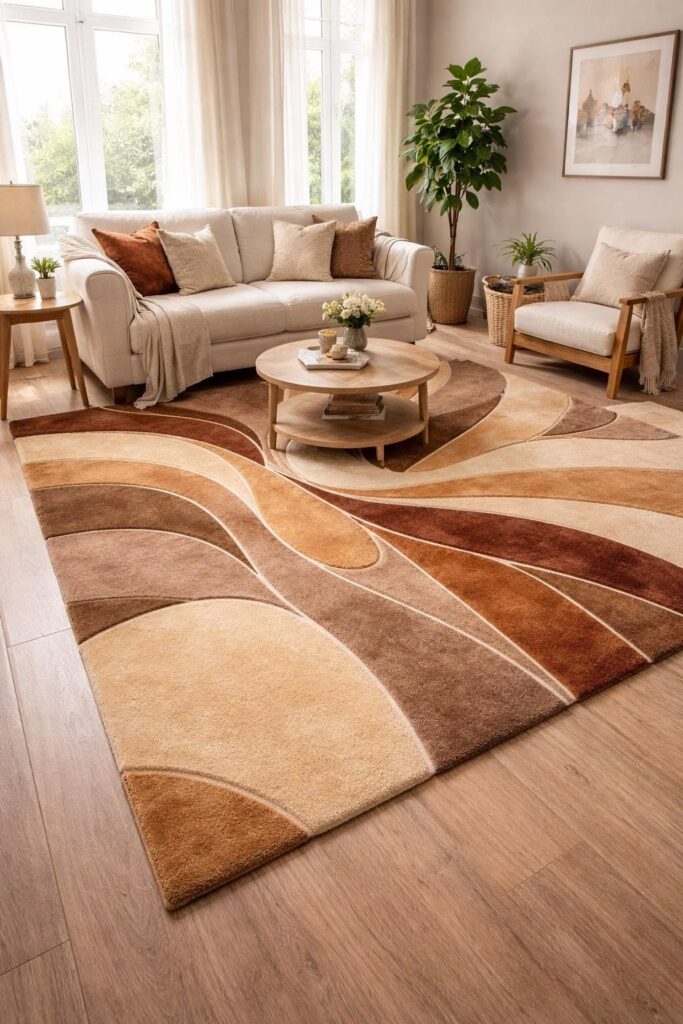
A rug that’s too small is one of the quickest ways to make a living room feel disconnected.
Choose one large enough for at least the front legs of your seating to rest on.
This visually ties the furniture together, defines the conversation area, and makes the room feel more spacious.
Designers often choose a larger rug than homeowners expect because it creates a stronger sense of proportion.
8. Layer Texture Instead of Adding More Color
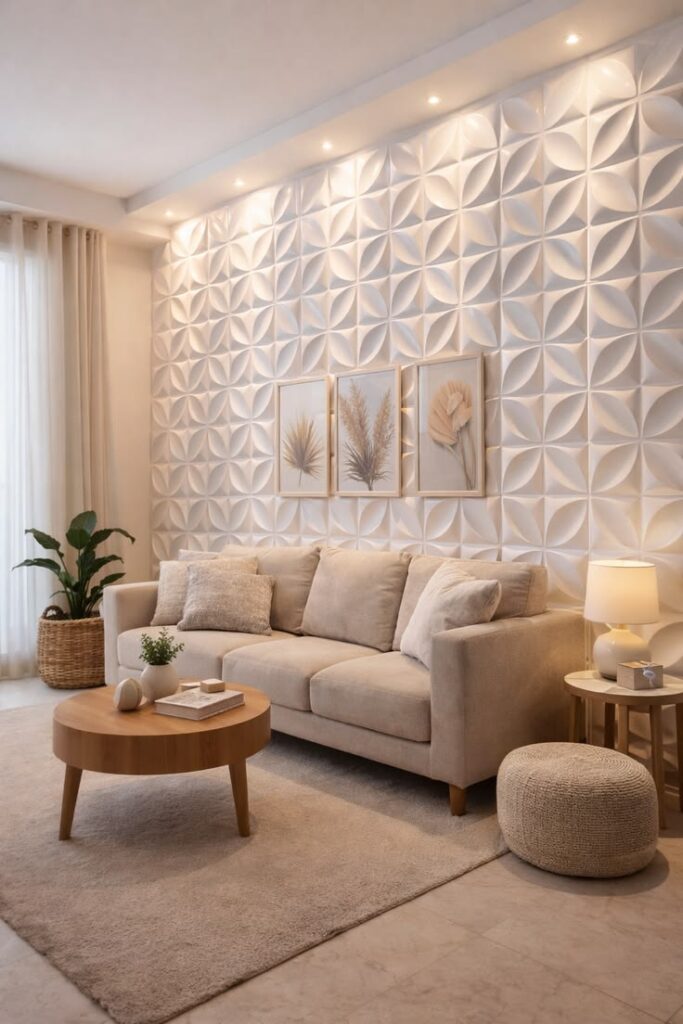
Luxury interiors rarely depend on bold colors to create interest.
Instead, they combine different textures, linen curtains, a wool rug, a velvet cushion, warm wood, woven baskets, ceramic accessories, and brushed metal finishes.
Even within a neutral palette, these materials create depth and warmth.
If your living room feels flat, adding texture will usually have a greater impact than introducing another color.
9. To Have Luxury Small Living Room; Add Simple Wall Molding
In making a small room look expensive, avoid plain walls because it can make a room feel unfinished, while decorative molding introduces architectural character without overwhelming a small space.
Even if you choose picture-frame molding, board and batten, or slim trim panels, painted in the same color as the wall.
The effect is subtle yet elegant. For renters, peel-and-stick molding offers a similar look with less commitment.
It’s one of those details people notice without always realizing why the room feels more expensive.
10. Leave One Surface Intentionally Empty
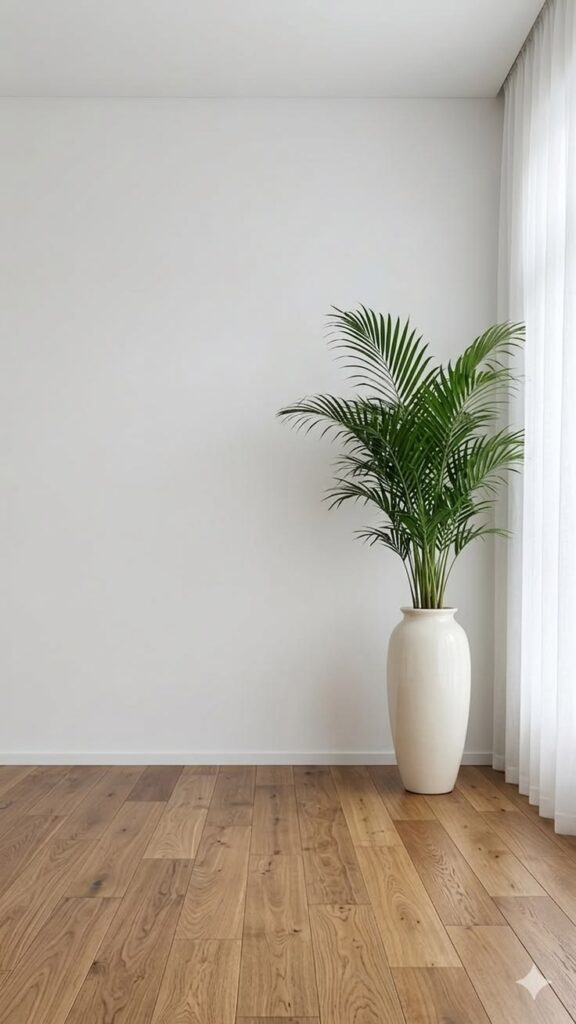
One of the biggest differences between an ordinary living room and one that feels professionally designed is what is not there.
To make your small room look expensive, they don’t fill Luxury interiors to every corner.
They use negative space intentionally, allowing furniture, artwork, and décor to stand out without competing for attention.
Instead of filling every shelf or covering every wall, edit your space.
Remove anything that doesn’t serve a purpose or add beauty. In small living rooms, restraint often creates a bigger visual impact than adding another decorative piece.
When every item has room to breathe, the entire space feels calmer, larger, and undeniably more expensive.
11. Float Your Furniture Away from the Walls
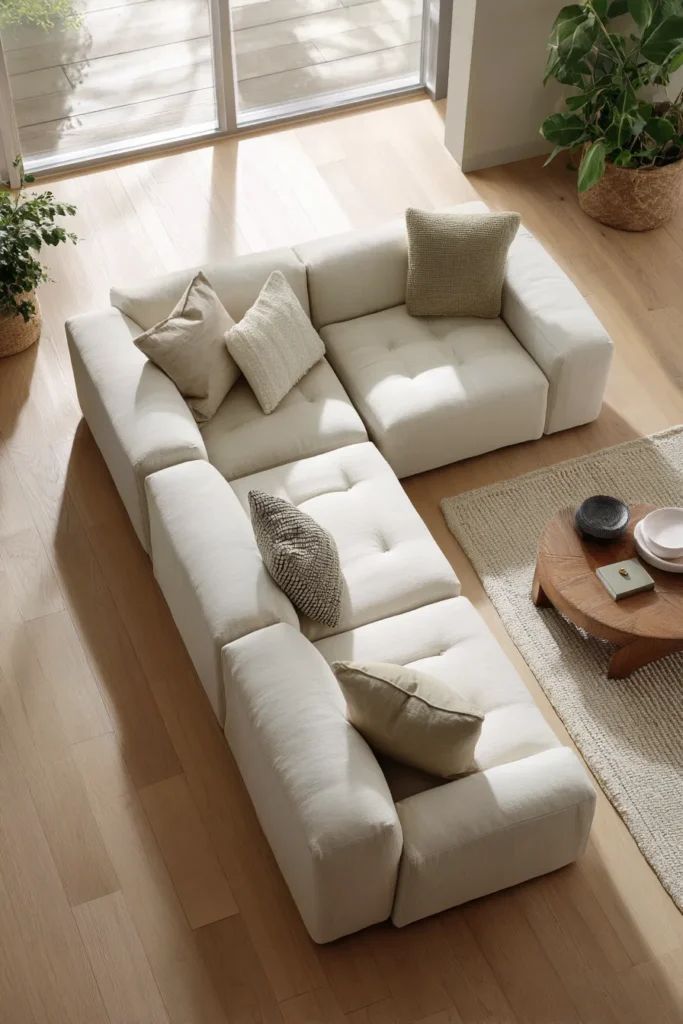
Pushing every piece of furniture against the wall might seem like the best way to create space, but it often has the opposite effect.
Leaving a few inches behind your sofa or accent chairs adds depth and creates the illusion of a larger room.
Even in compact apartments, this subtle adjustment can make the layout feel more intentional and less cramped.
12. Mix Curves with Clean Lines To Get That Luxury Small Living Room.
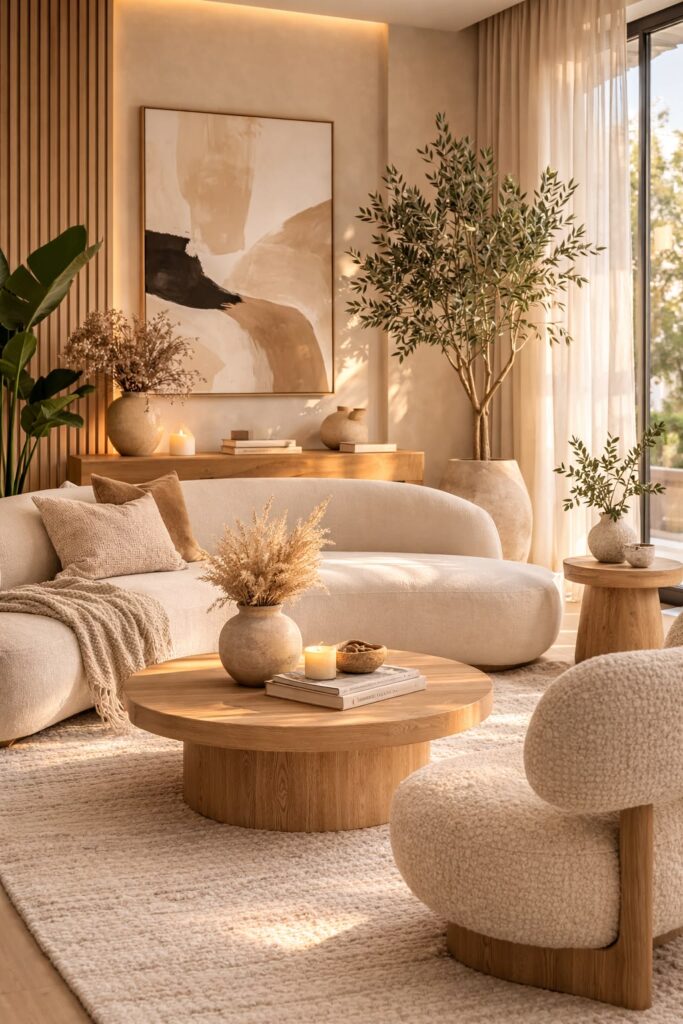
Luxury interiors rarely rely on furniture with identical shapes.
Pair a rectangular sofa with a round coffee table, an arched floor lamp, or curved accent chairs to soften the room.
The contrast creates movement and prevents a small living room from feeling rigid or boxy.
13. Choose a Coffee Table with an Open Base
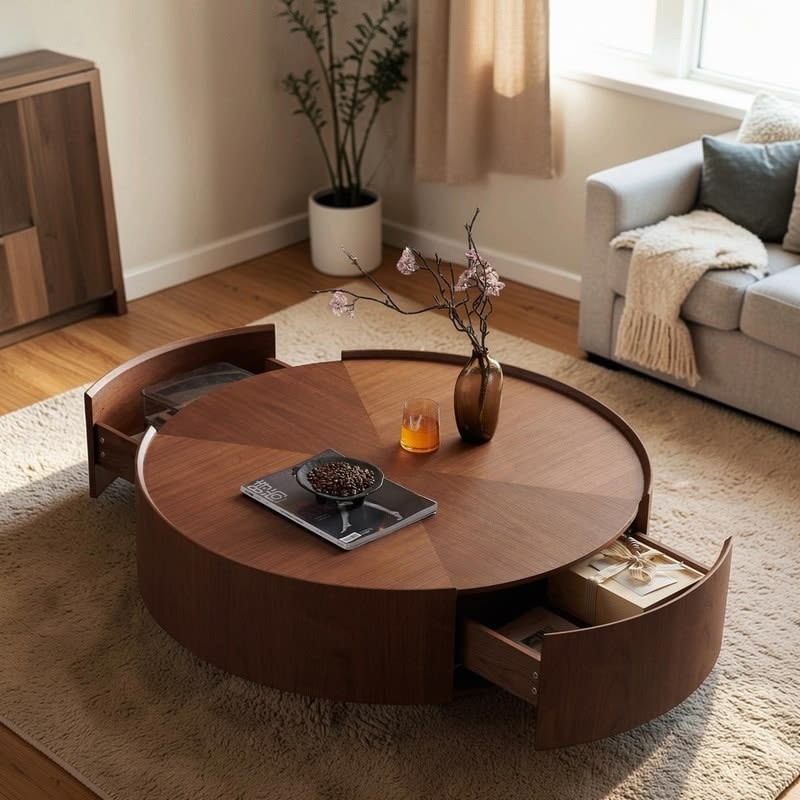
A bulky coffee table can make a compact living room feel heavy.
Tables with slim legs, glass tops, or open frames allow light to pass through, creating a lighter visual footprint while still providing everyday function.
Sometimes what you can see through makes as much difference as what you can see.
14. Style Matching Side Tables (Not Necessarily Matching Lamps)
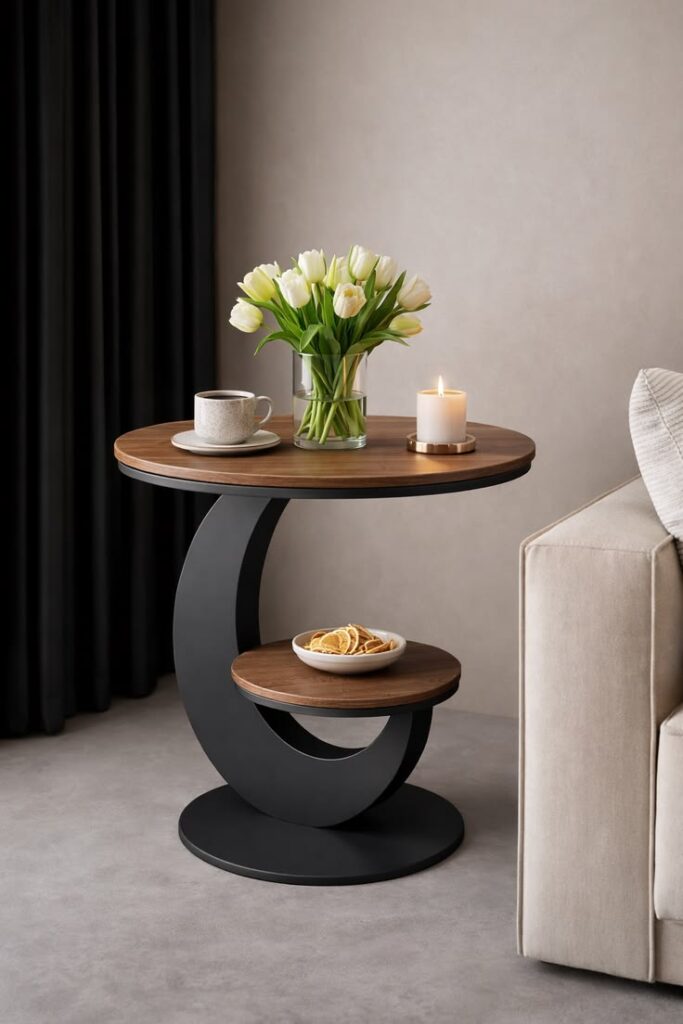
Matching side tables create symmetry and order, but your styling doesn’t have to be identical.
Try using different lamps, books, or decorative objects while keeping a similar visual weight on each side.
The result feels balanced without looking like a furniture showroom.
15. Replace a Coffee Table with an Upholstered Ottoman
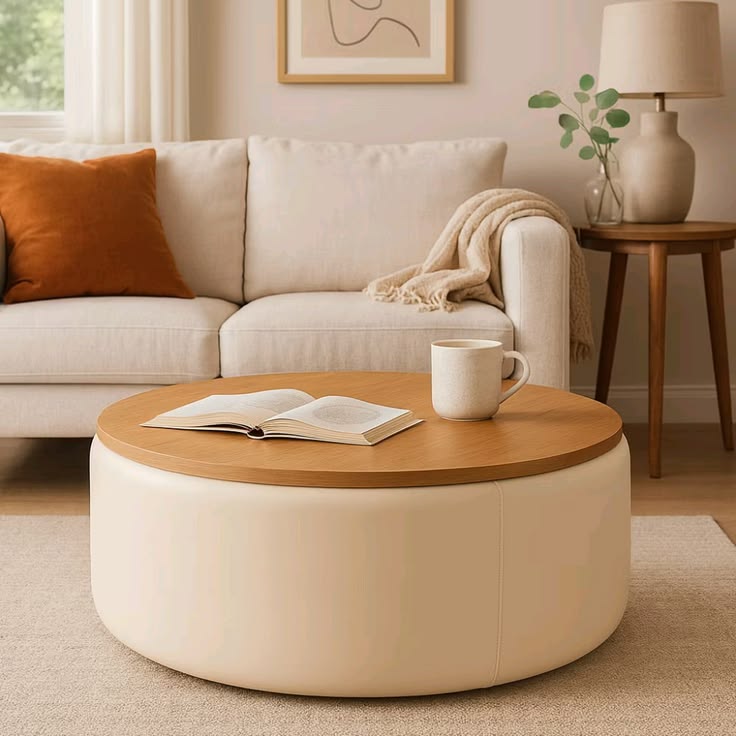
An upholstered ottoman introduces softness that hard furniture can’t.
It doubles as extra seating, a footrest, and, with a decorative tray, even a coffee table.
In small living rooms where every piece should serve more than one purpose, this is a designer favorite.
16. Add One Statement Chair
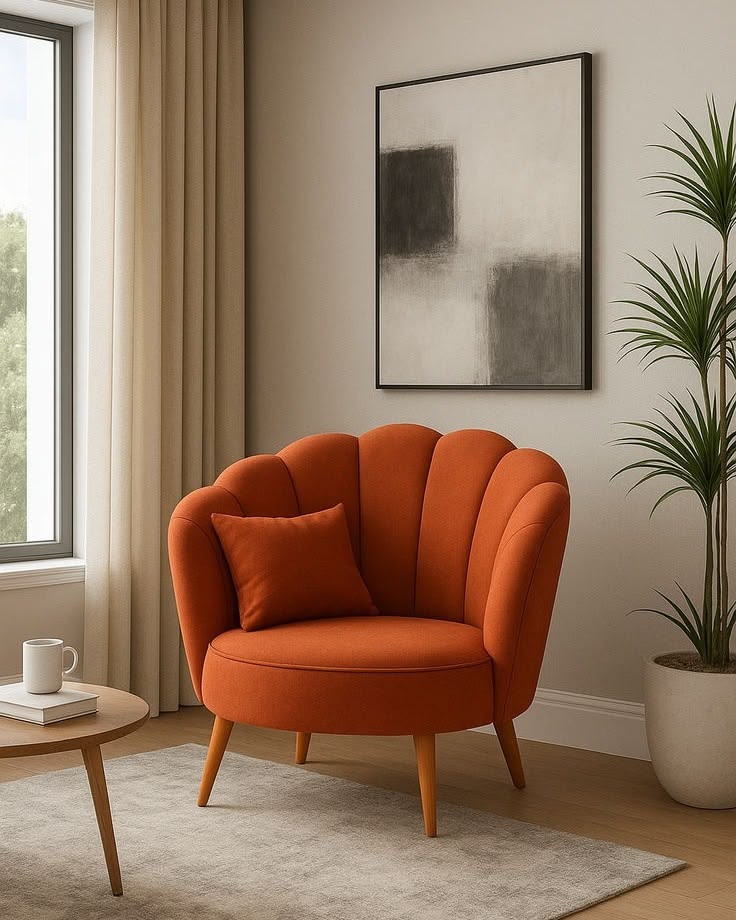
Not every piece of furniture should blend into the background.
A beautifully upholstered accent chair in boucle, leather, velvet, or linen can become the room’s quiet star.
One thoughtfully chosen statement piece creates far more impact than several trendy accessories competing for attention.
17. Use Furniture That Works Twice as Hard
Designer spaces are beautiful because they’re functional first.
Look for storage benches, nesting tables, lift-top coffee tables, or media units with concealed storage.
Hidden storage keeps visual clutter out of sight, and clutter is one of the fastest ways to make any room feel less luxurious.
18. Create a Built in Look Without Renovating
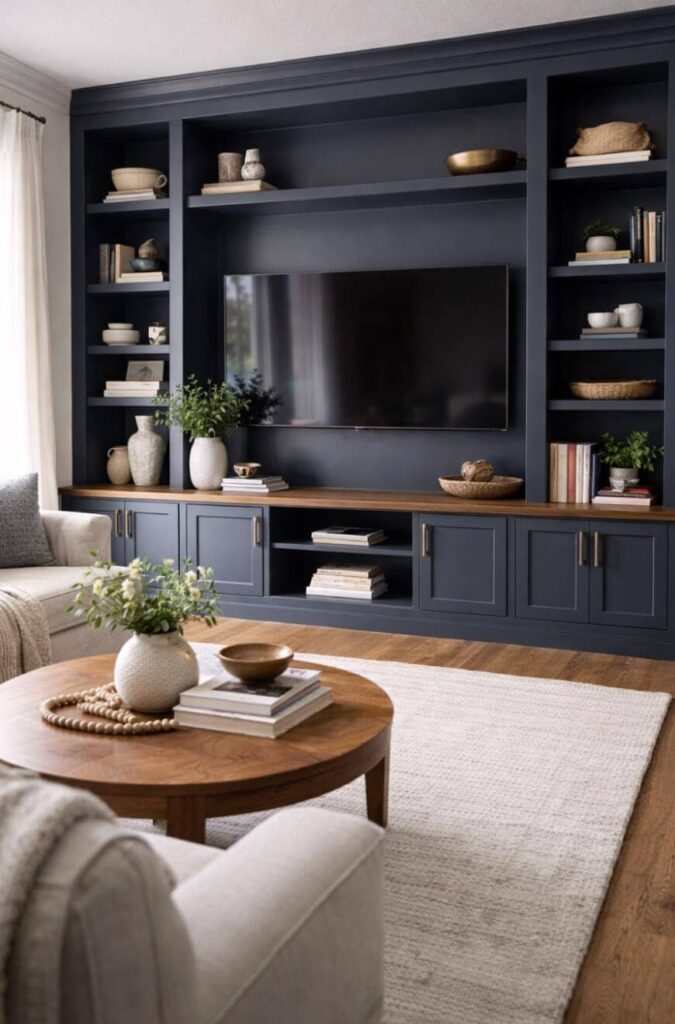
Custom built-ins instantly elevate a room, but they’re not the only option.
Place two tall bookcases on either side of your TV or a large piece of artwork, then style them with books, baskets, and decorative objects.
Painting the shelves the same color as the wall makes the arrangement feel intentionally built rather than added later.
19. Pay Attention to Scale Before Style
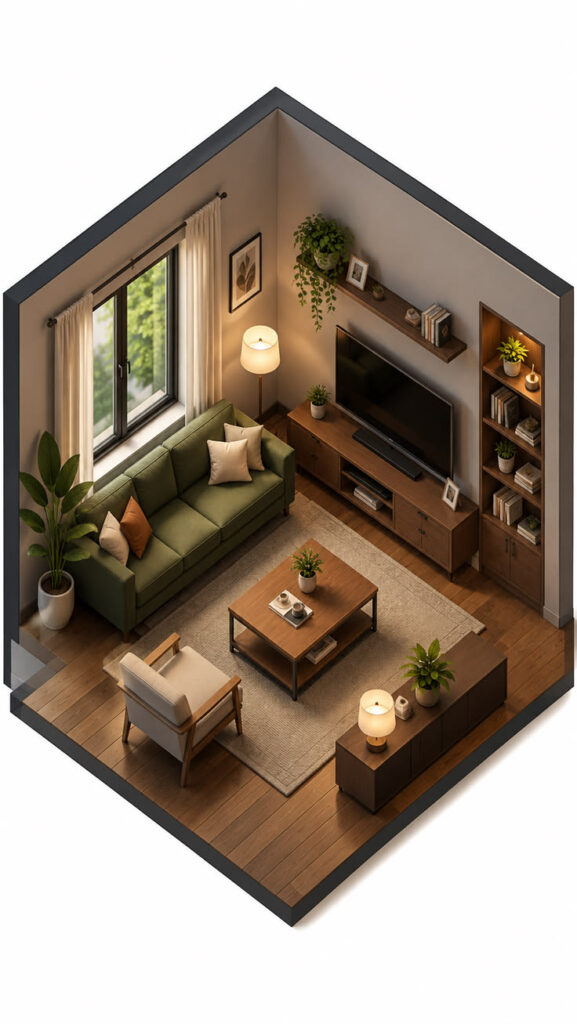
A beautiful piece of furniture can still look wrong if it’s the wrong size.
An oversized sectional overwhelms a compact room, while tiny furniture makes it feel unfinished.
Professional designers always consider proportion before aesthetics because the right scale creates harmony long before décor is added.
20. Incorporate One Black Accent
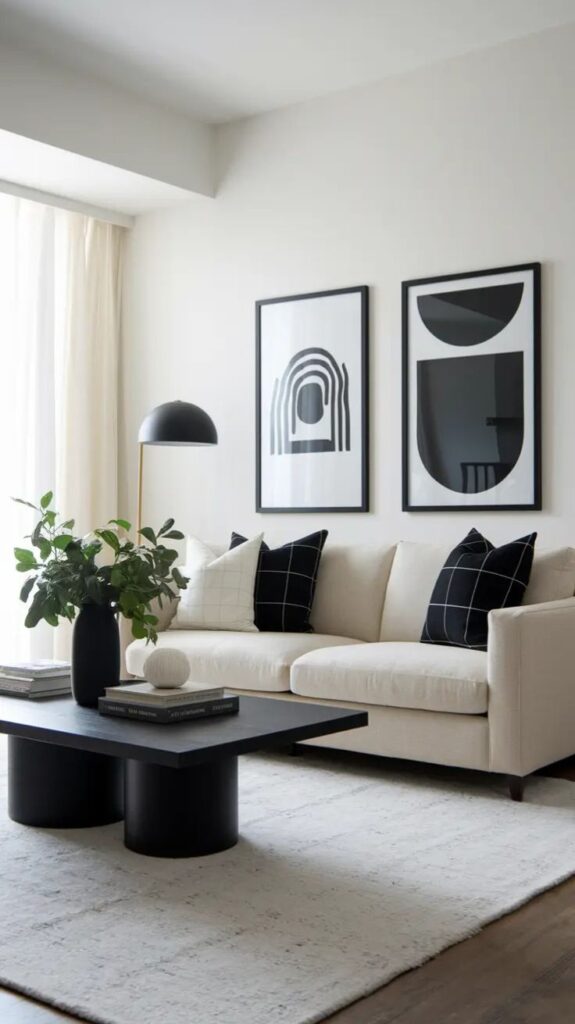
Every luxurious living room benefits from a little contrast.
A black picture frame, floor lamp, coffee table base, or cabinet hardware helps anchor the space and gives lighter colors more definition.
Without a darker element, neutral rooms can sometimes feel washed out.
Designers often use black in small doses because it adds depth and sophistication without overpowering the room.
21. Style in Groups of Three
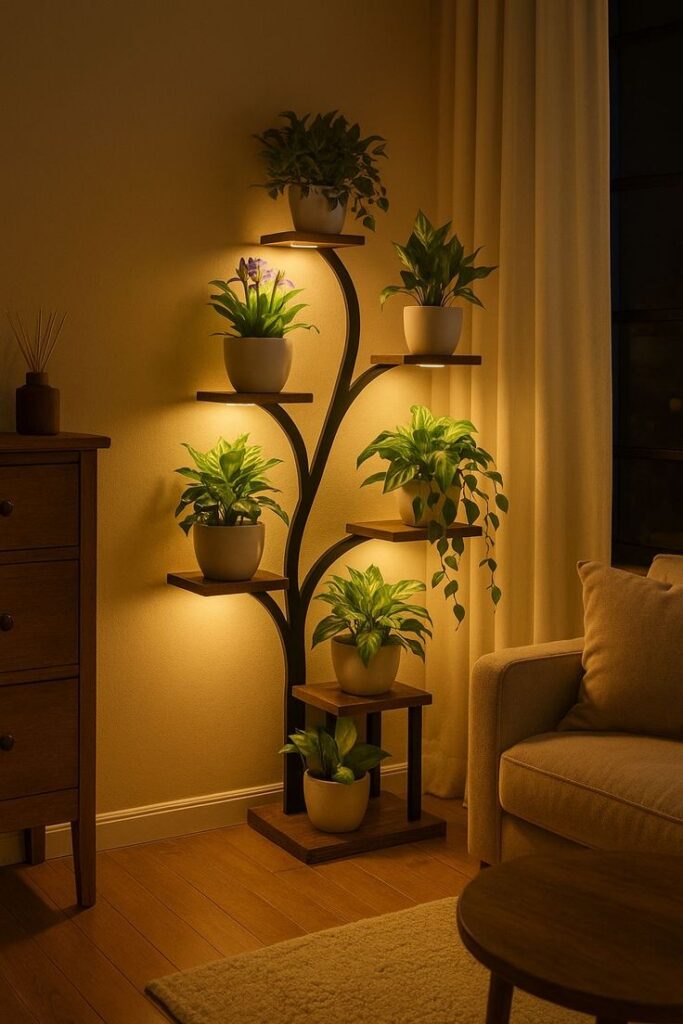
Instead of scattering decorative objects individually, arrange them in small groups of three using different heights and textures.
A candle, a small plant, and a decorative object create a balanced vignette that feels effortless.
This simple styling trick adds polish without making surfaces look cluttered.
22. Layer Your Lighting for that expensive looking living room.
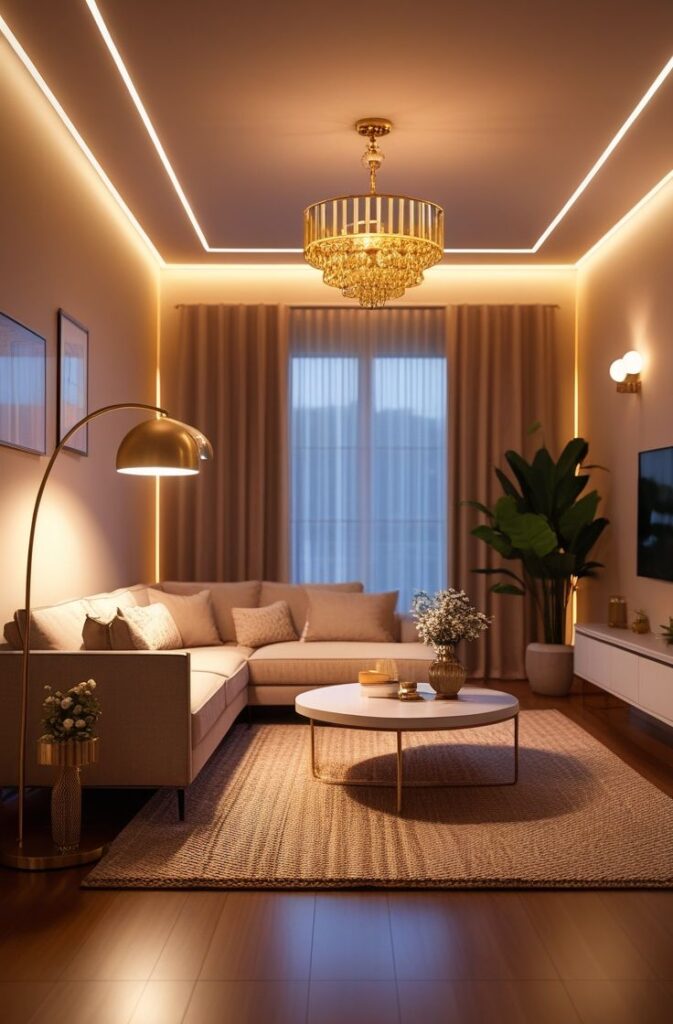
One ceiling light is rarely enough to make a living room feel luxurious.
Designers combine ambient, task, and accent lighting to create depth and warmth.
A ceiling fixture provides general illumination, while table lamps, floor lamps, and wall sconces add softer pools of light that make the room feel more inviting after sunset.
23. Choose Warm White Light Bulbs
Even the most beautifully decorated room can feel cold under harsh, bluish lighting.
Warm white bulbs create a softer, more welcoming atmosphere that flatters furniture, fabrics, and skin tones.
If your living room doesn’t feel cozy in the evening, your lighting, not your décor may be the problem.
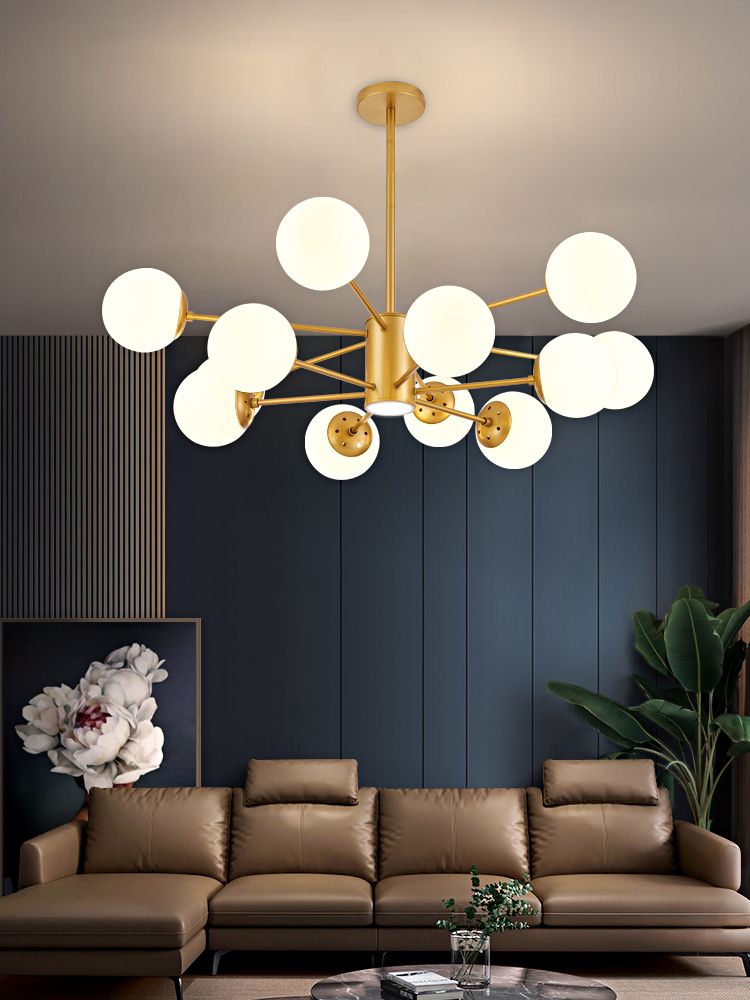
24. Upgrade Your Ceiling Light
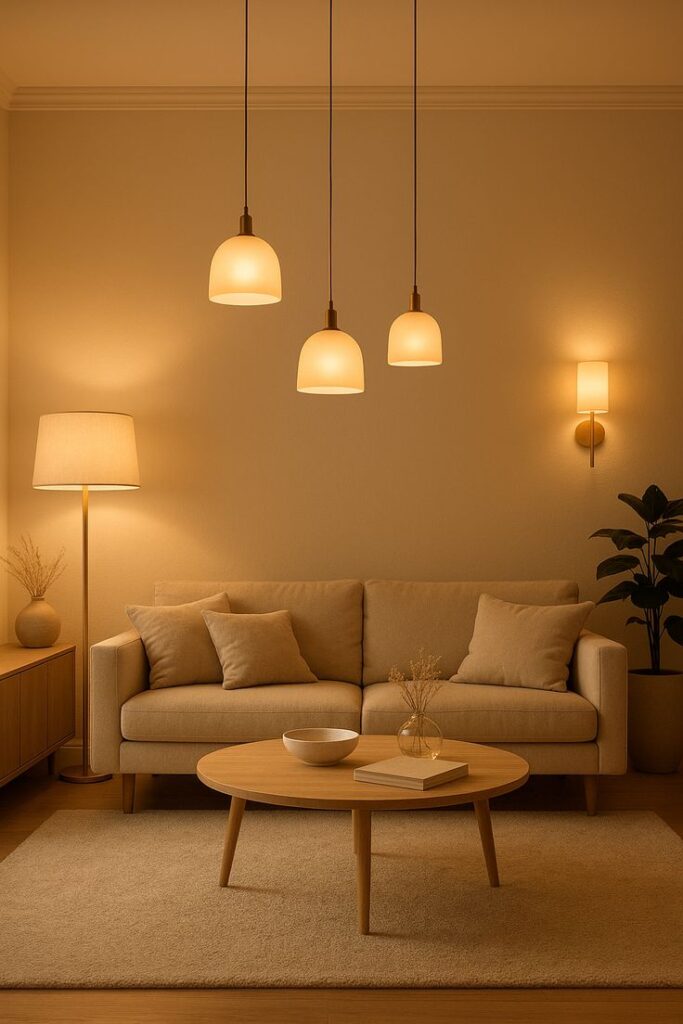
Builder-grade light fixtures are one of the easiest ways to identify an unstyled room.
Swapping a basic flush mount for a modern chandelier, pendant, or sculptural fixture instantly creates a custom look.
You don’t need the most expensive design, just one with clean lines and the right scale for your space.
25. Add Wall Sconces for a Custom Look
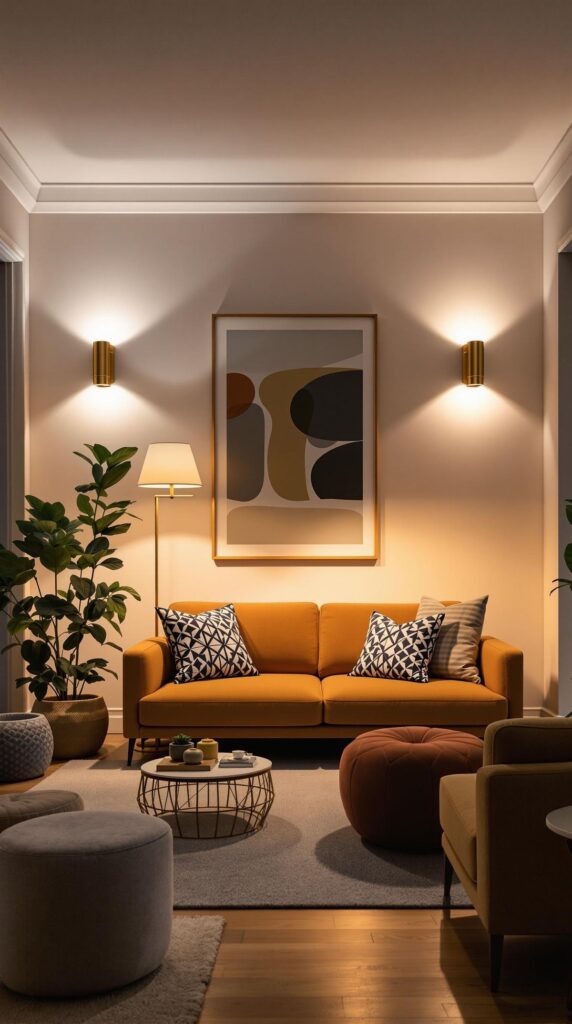
Wall sconces add a layer of sophistication that’s often missing in small living rooms.
Even they’re hardwired or plug-in, they free up table space, introduce soft lighting, and create the impression of a professionally designed interior.
Flanking artwork, a fireplace, or a TV wall with sconces also adds symmetry and elegance.Give this particular small living room idea a try and you will sure thank me later.
26. Incorporate a Statement Mirror
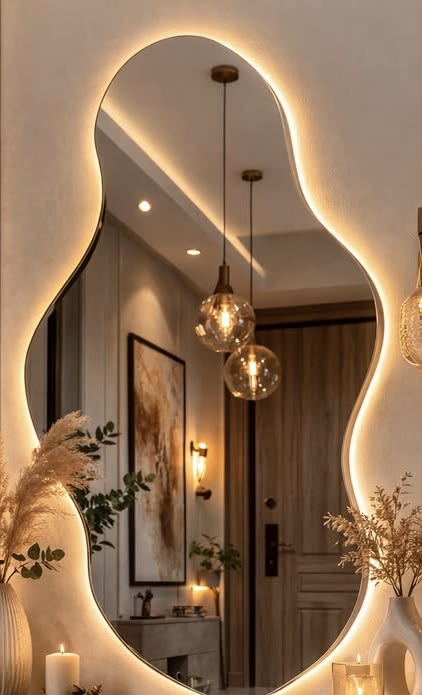
A statement mirror does more than reflect light, it becomes a design feature in its own right.
Even if you choose an arched, round, or organically shaped frame, a well-placed mirror can make a small living room feel brighter and more spacious.
Position it where it reflects natural light or a beautiful focal point rather than a blank wall.
A well-placed mirror does more than make a room appear larger, it bounces daylight throughout the space, making it feel brighter and more open.
Position one opposite or adjacent to a window whenever possible to maximize natural light.
The mirror should reflect something beautiful, not clutter.
27. Let Natural Light Take Center Stage
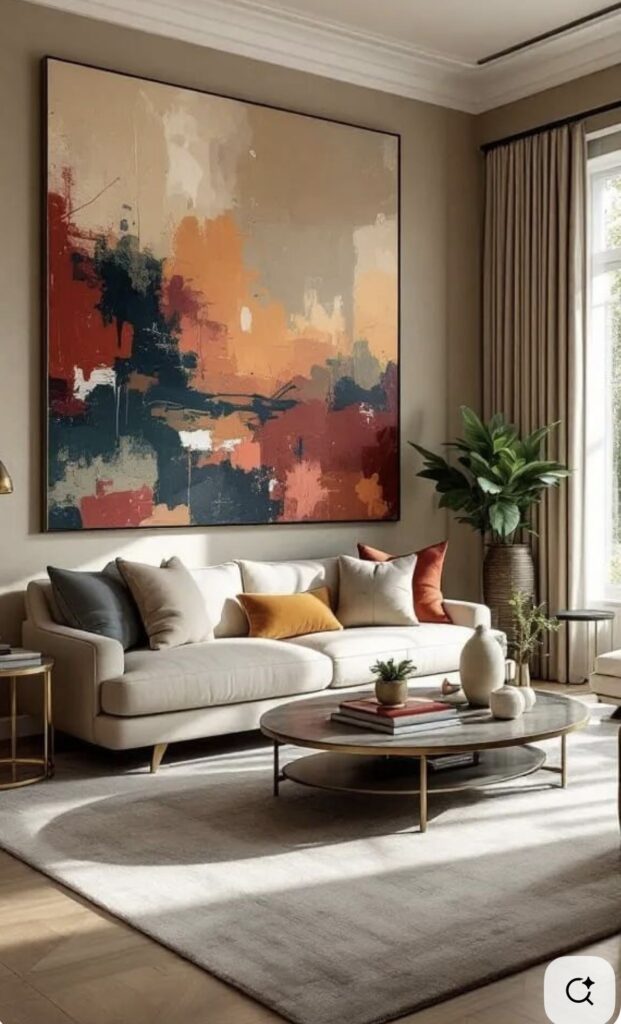
Heavy furniture, bulky window treatments, or crowded windows can block valuable daylight.
Keep window areas as open as possible to allow sunlight to move freely through the room.
Natural light enhances every color, texture, and material, giving the space an effortless luxury that artificial lighting can’t fully replicate.
28. Display Oversized Artwork
One large piece of art often creates a stronger statement than a wall filled with small frames.
Oversized artwork gives the room confidence, establishes a focal point, and reduces visual clutter.
It doesn’t have to be expensive, large printable art or canvas reproductions can achieve a similar effect when framed well.
29. Style Your Coffee Table with Intention
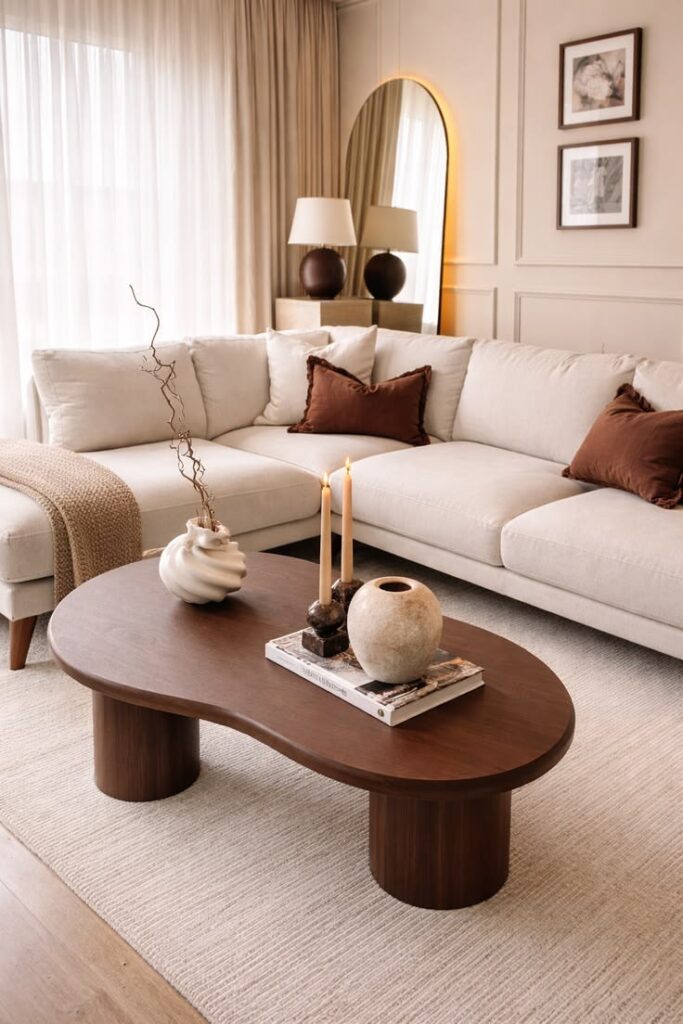
A coffee table should feel curated, not crowded.
A decorative tray, a candle, a small plant, and one or two beautiful books are usually enough.
Designers think in layers rather than quantity, allowing each object to contribute without overwhelming the surface.
30. Decorate with Coffee Table Books
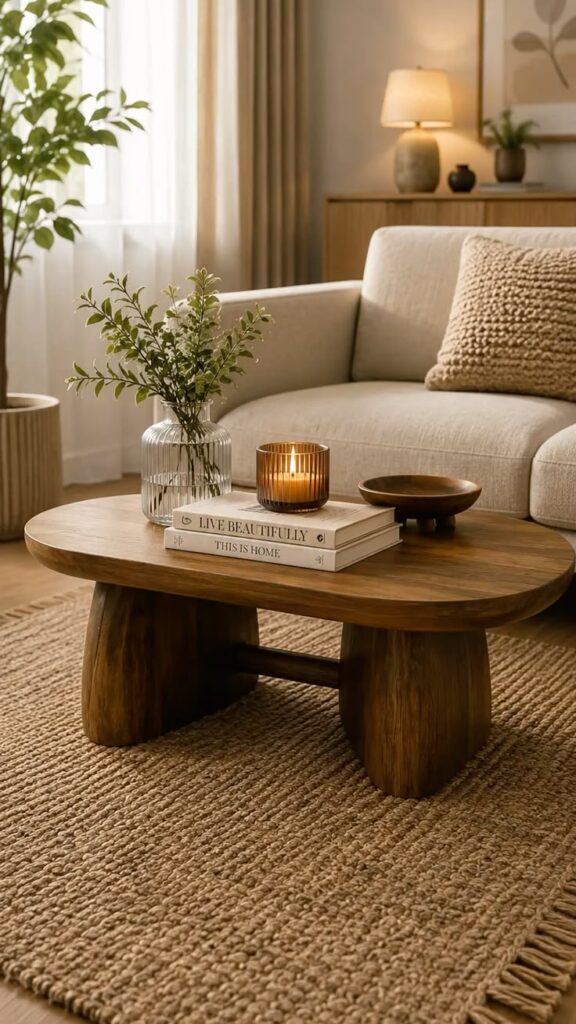
Beautiful books add height, personality, and a sense of lived-in sophistication.
Choose titles that reflect your interests, interior design, fashion, architecture, travel, or photography and stack two or three together as a base for a candle or decorative object.
They’re both practical and stylish.
31. Bring in Fresh Greenery (Style with Fresh Flowers Whenever Possible)
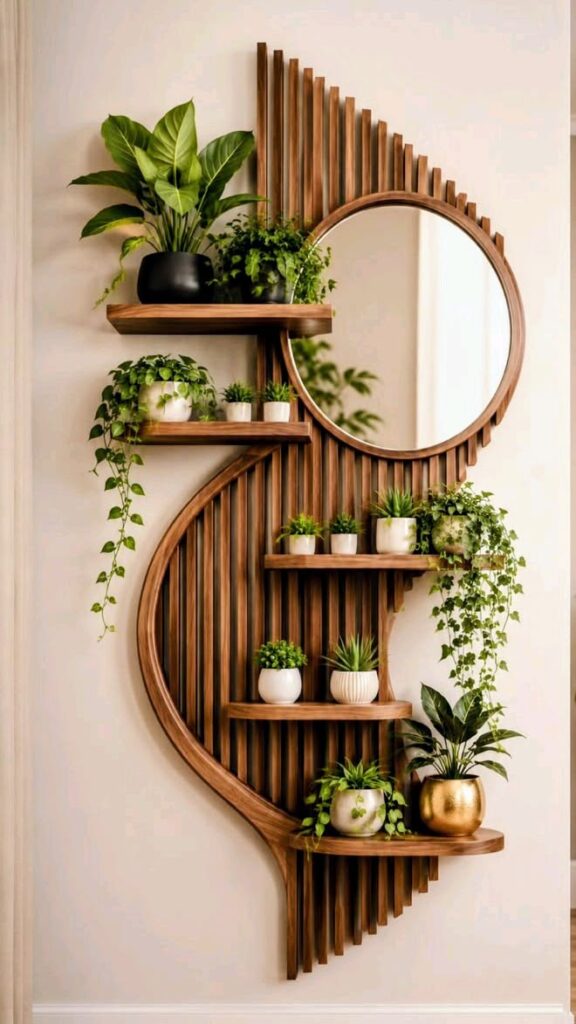
Fresh flowers instantly make a home feel cared for. You don’t need elaborate arrangements.
All you need is a simple bouquet of greenery, eucalyptus, or seasonal blooms in a ceramic vase is often enough.
It’s a small luxury that adds color, texture, and life while changing the atmosphere of the room.
32. Add One Unexpected Sculptural Piece
One of the most beautiful ideas to make small living room look expensive is this and unfortunately most people don’t know.
Every memorable living room has an element that sparks curiosity, a sculptural vase, an artistic floor lamp, a carved stool, or a uniquely shaped side table.
One unexpected piece gives the room personality and prevents it from looking like a catalog.
The goal isn’t to be bold for the sake of it, but to include one detail that makes the space feel thoughtfully curated.
33. Style Open Shelves Like a Designer
Has someone told you that one of the easiest ways to elevate your luxury small living room is by rethinking your shelves.
Instead of filling every inch, alternate books, ceramics, artwork, and greenery while leaving pockets of empty space.
Designers often style shelves in layers and vary heights to create visual rhythm.
The result feels curated, personal, and effortlessly elegant rather than overcrowded.
34. Add Marble(Look Accents Instead of Marble Everywhere)
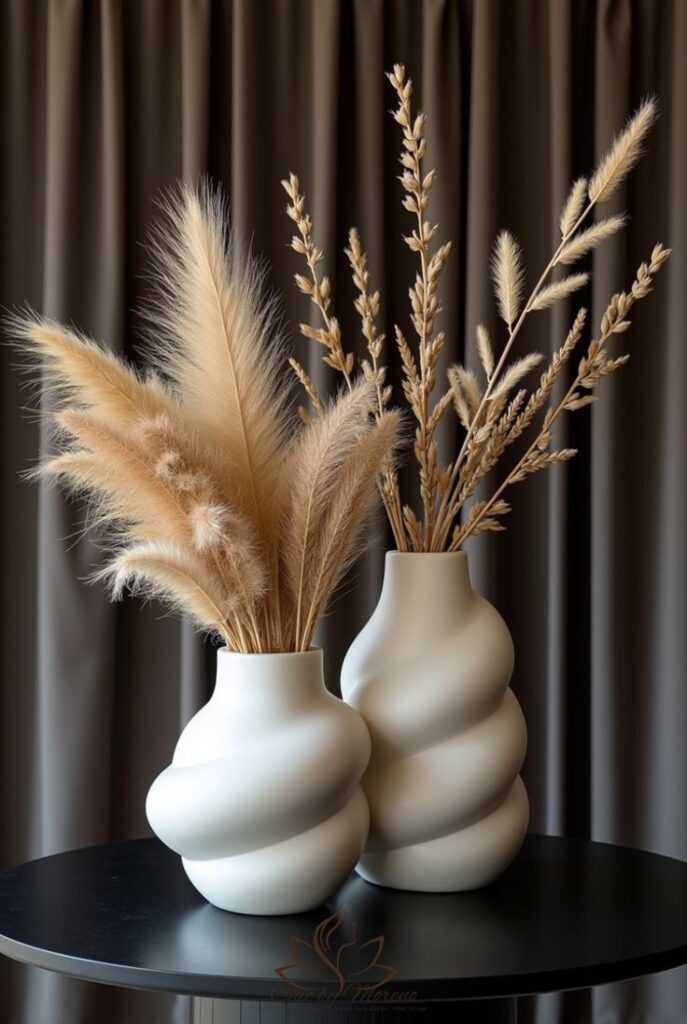
You don’t need solid marble to achieve a high-end aesthetic.
A marble look tray, side table, lamp base, or decorative box can introduce the same sense of refinement for a fraction of the cost.
When used sparingly, these accents catch the eye without overwhelming the room.
Luxury often comes from thoughtful restraint rather than repeating the same material everywhere.
35. Mix Wood Tones with Confidence
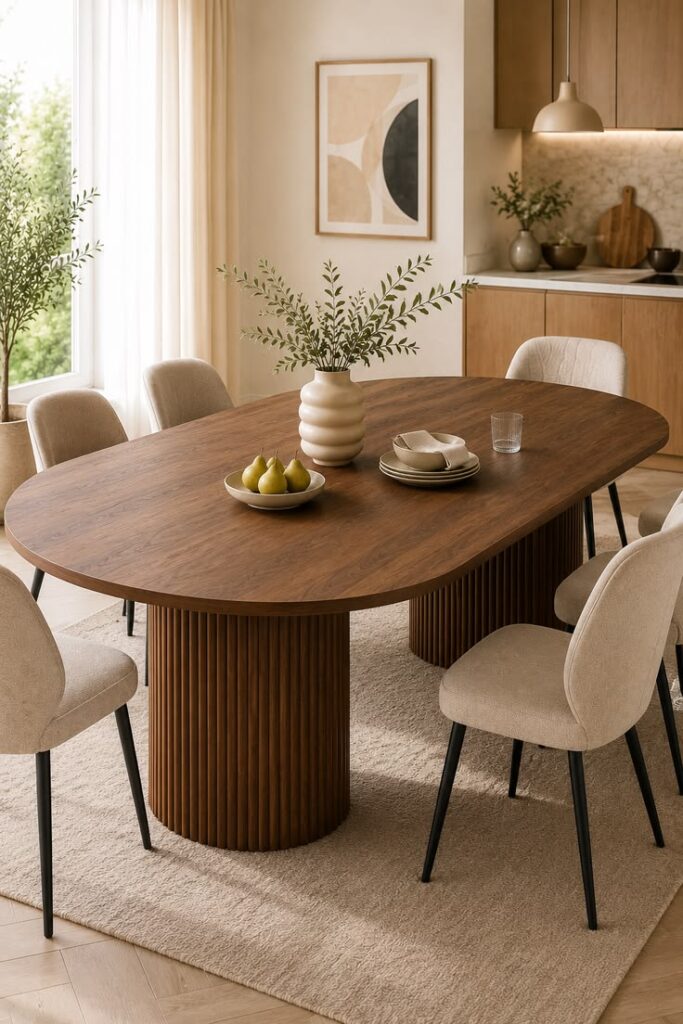
Many homeowners believe every wooden surface should match perfectly, but professionally designed interiors rarely work that way.
Combining light oak with walnut or darker finishes creates depth and character, provided the undertones complement one another.
A room with varied wood tones feels collected over time instead of purchased as a complete furniture .
Glass furniture has a unique ability to make small living room ideas feel more spacious.
Even if it’s a coffee table, console, or shelving, transparent surfaces allow light to travel freely, reducing visual weight.
This is especially effective in apartments where every square foot matters.
A single glass piece can make a compact room feel noticeably more open.
37. Upgrade Cabinet and Furniture Hardware
Sometimes the smallest details create the biggest transformation.
Replacing dated knobs and handles with modern brass, matte black, or brushed nickel hardware instantly refreshes TV units, cabinets, and storage pieces.
It’s a simple upgrade that makes affordable furniture feel custom without stretching your decorating budget and it so much.
38. Create Contrast with Matte and Gloss Finishes
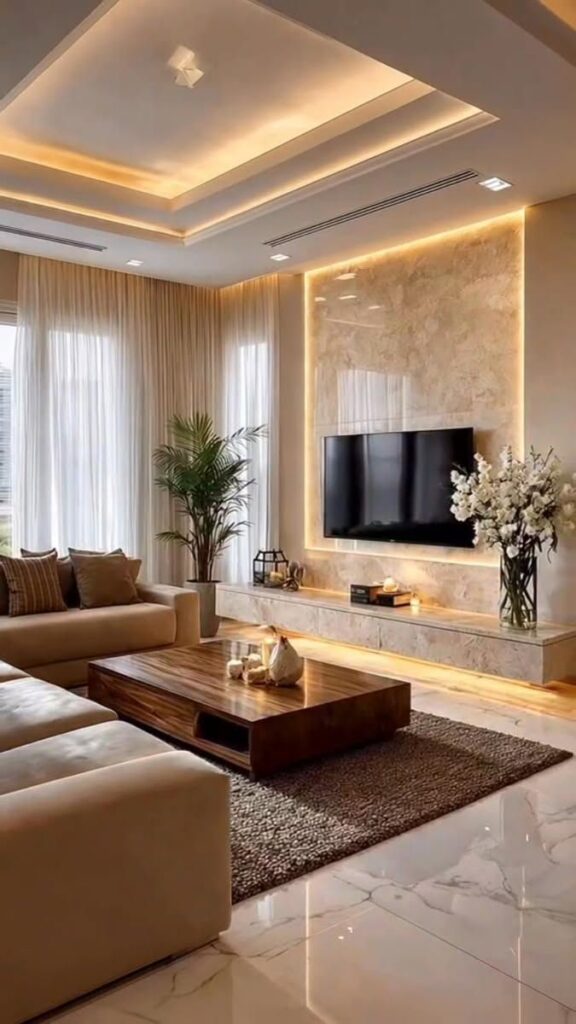
Luxury interiors balance textures as carefully as colors.
Pairing a matte-painted wall with glossy ceramics, polished stone, or metallic accents creates subtle contrast that catches natural light beautifully.
This layered approach gives the room depth and sophistication without relying on bold colors or excessive décor.
39. Bring in Natural Materials
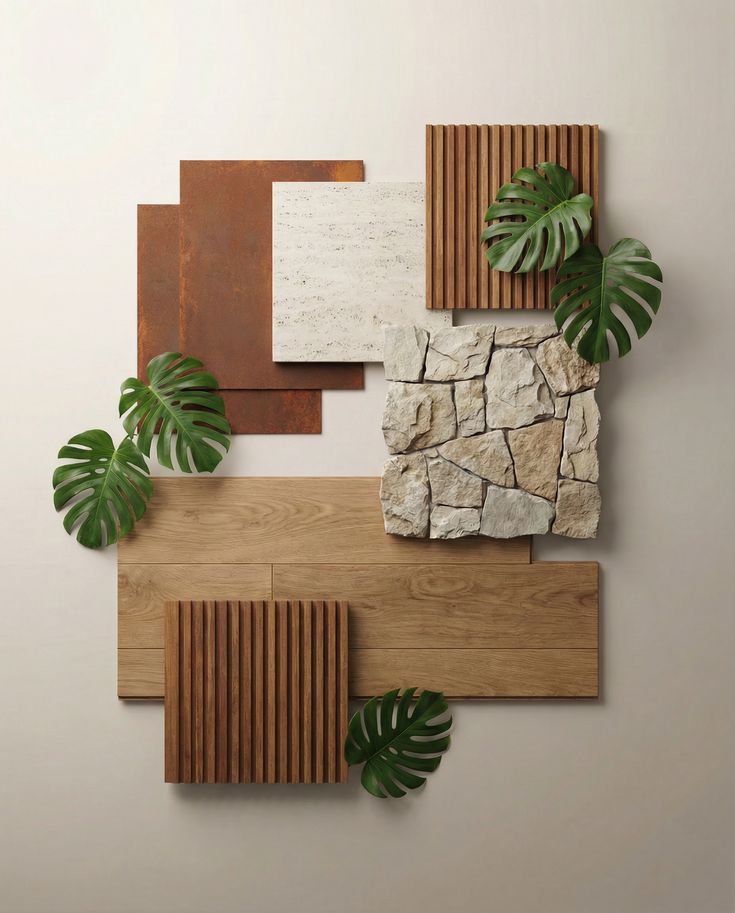
Wood, rattan, linen, cotton, jute, stone, and woven baskets add warmth that synthetic materials often struggle to replicate.
Incorporating natural elements helps a living room feel grounded and timeless
. Even one woven basket or a handcrafted wooden bowl can soften modern interiors and make them feel more inviting.
40. Define the Seating Area
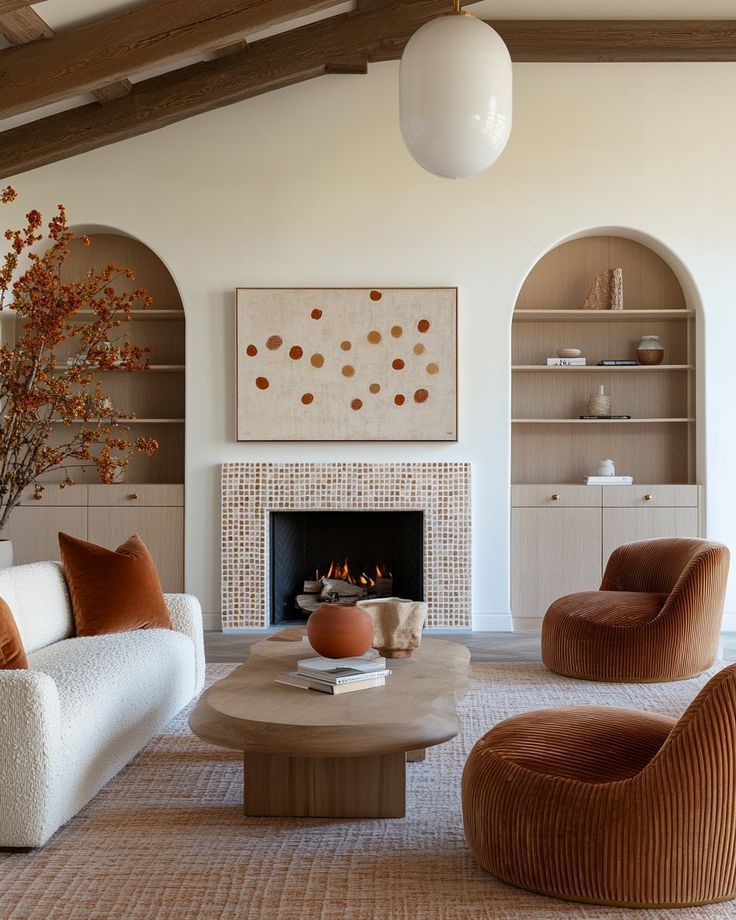
In many small living room ideas, furniture feels scattered because there’s no clear conversation zone.
Arrange your sofa, chairs, coffee table, and rug so they work together as one intentional grouping.
Defining this central area makes the room feel organized, comfortable, and surprisingly larger because every piece has a clear purpose
41. Keep Everyday Clutter Out of Sight
Nothing diminishes a luxurious atmosphere faster than visible clutter.
Remote controls, charging cables, unopened mail, and miscellaneous items quickly distract from even the most beautiful décor.
Baskets, decorative boxes, and storage ottomans make it easy to keep essentials nearby without leaving them on display.
A tidy room always feels more refined than an expensive room filled with distractions.
42. Decorate with Meaningful Pieces
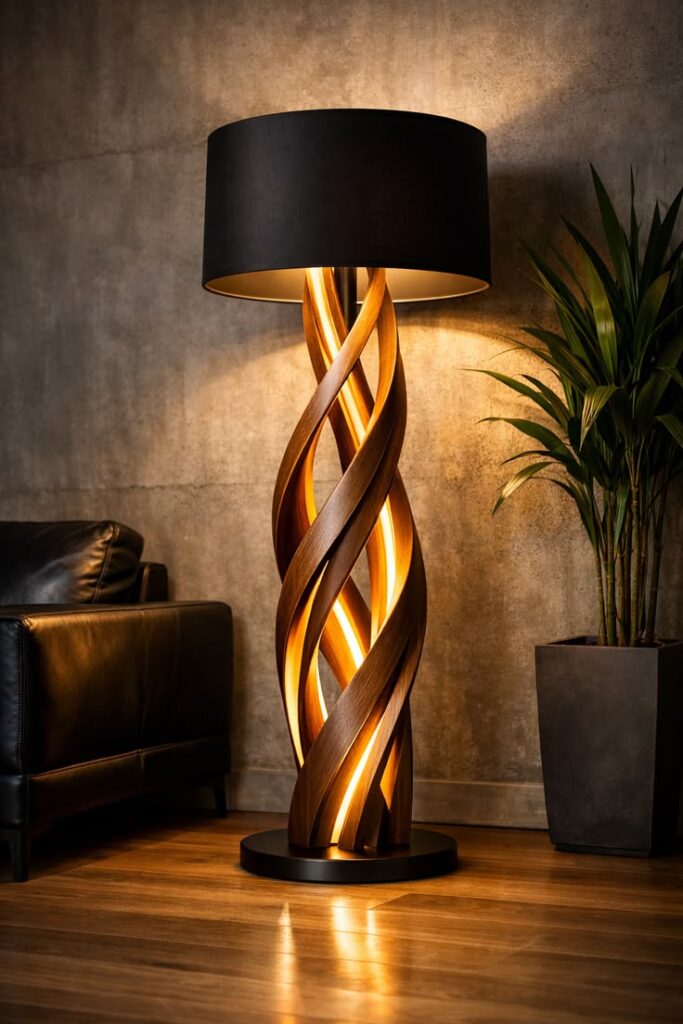
A luxury living room shouldn’t feel like a furniture showroom.
Display artwork you’ve collected, travel souvenirs with a story, family photographs in elegant frames, or handcrafted objects that reflect your personality.
These carefully chosen details create authenticity, making your home feel sophisticated, lived-in, and uniquely yours instead of perfectly staged but impersonal.
43. Create Depth with Layered Throw Pillows
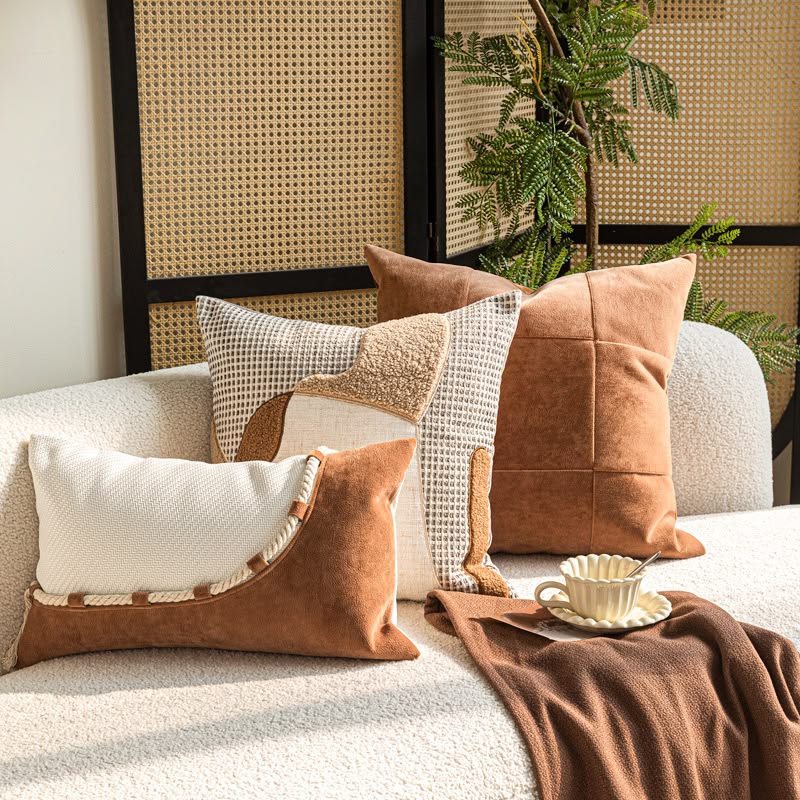
Throw pillows are one of the simplest ways to make a luxury living room feel finished, but more isn’t always better.
Instead of covering your sofa with cushions, layer three to five pillows in complementary fabrics such as linen, velvet, or boucle.
Vary the sizes and textures while keeping the color palette cohesive.
This creates depth without making the seating feel overcrowded.
44. Drape a Throw Blanket Casually
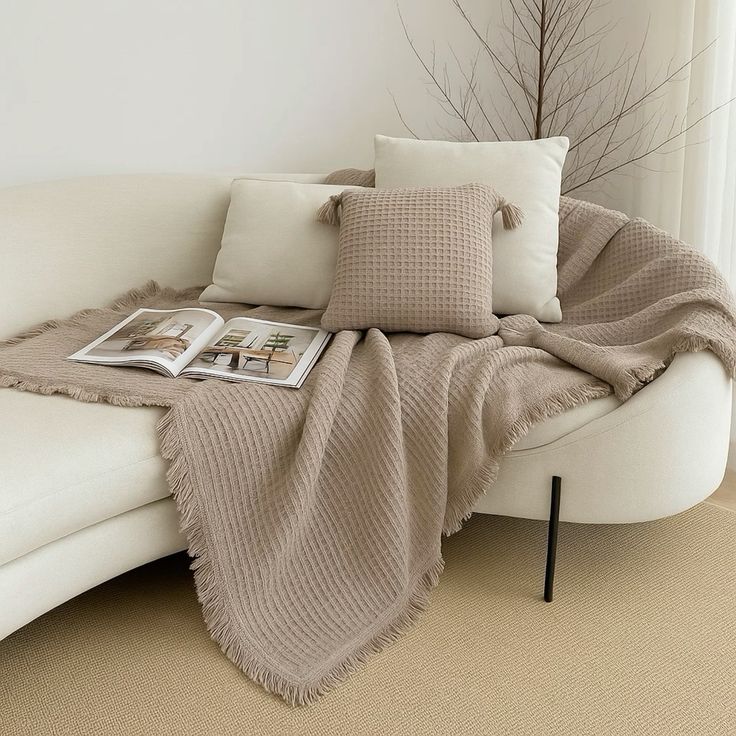
A neatly folded blanket has its place, but a softly draped throw instantly makes a room feel warmer and more inviting.
Choose natural fabrics like cotton, wool, or cashmere-look materials.
Then let the throw fall naturally over the arm or corner of your sofa.
It’s a small styling detail that gives the space a relaxed, lived-in elegance.
45. Decorate with Oversized Vases
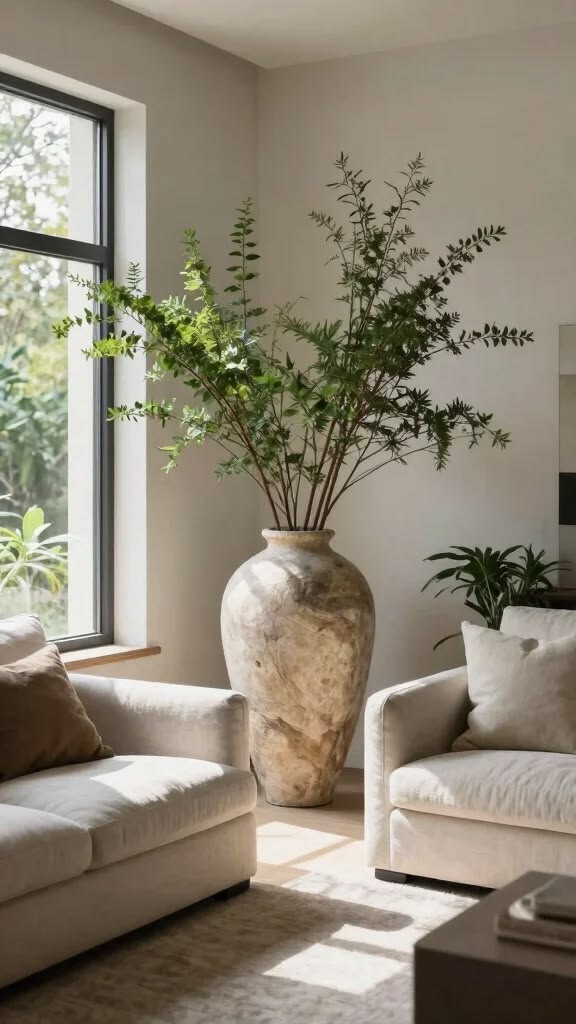
When it comes to accessories, scale matters.
One large ceramic vase on the floor or beside a console table often has a greater impact than several small decorative objects scattered around the room.
Fill it with dried branches, pampas grass, or seasonal greenery to add height and draw the eye upward.
46. Use Decorative Trays to Organize Surfaces
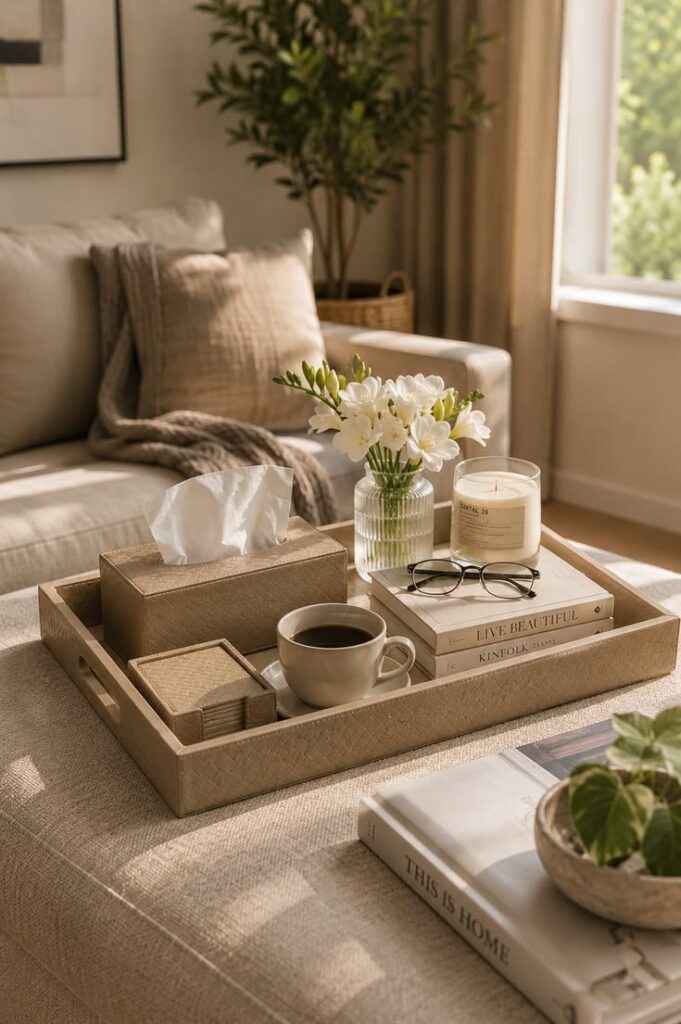
Luxury doesn’t mean having fewer everyday items. It means displaying them thoughtfully.
A decorative tray instantly organizes candles, coasters, remotes, or small accessories on a coffee table or ottoman.
Grouping items together creates a cleaner, more intentional look while making surfaces easier to keep tidy.
47. Introduce Metallic Accents in Moderation
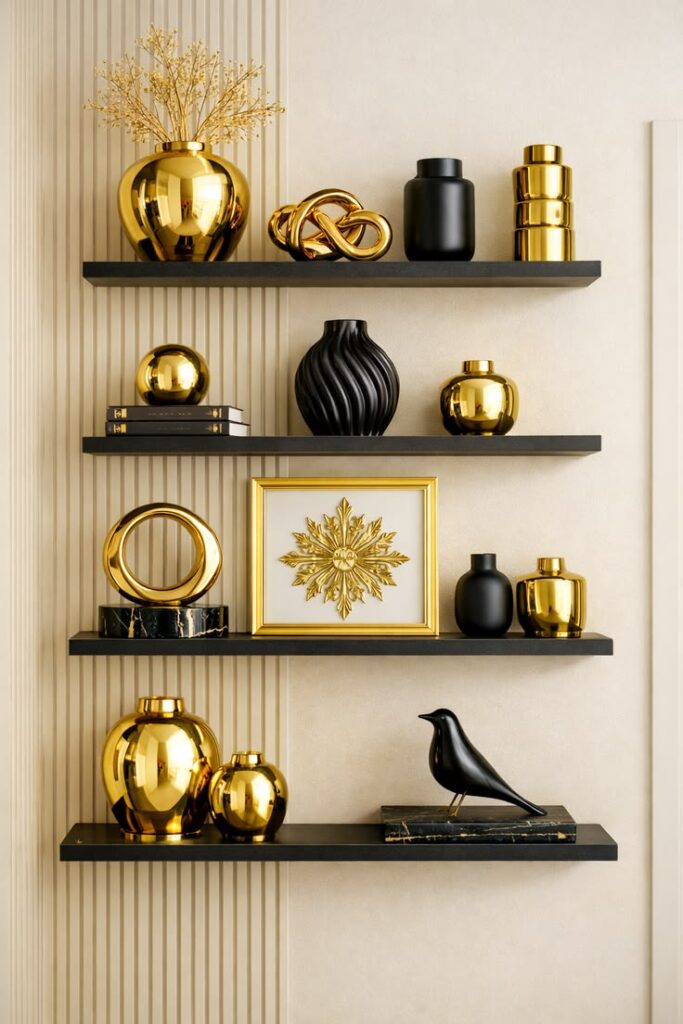
Brass, brushed gold, chrome, or matte black metals can elevate an expensive looking living room, but they work best as accents rather than dominant features.
A lamp, picture frame, mirror, or coffee table base is often enough to add sophistication.
Repeating the same metal finish throughout the room helps everything feel connected.
48. Choose Larger Décor Instead of More Décor
Many homeowners fill shelves and tables with dozens of small accessories, hoping to make the room feel complete. Designers often do the opposite.
A few larger decorative pieces create stronger visual impact and reduce clutter.
Giving each item room to stand out makes the entire living room feel calmer and more luxurious.
49. Incorporate Vintage Finds
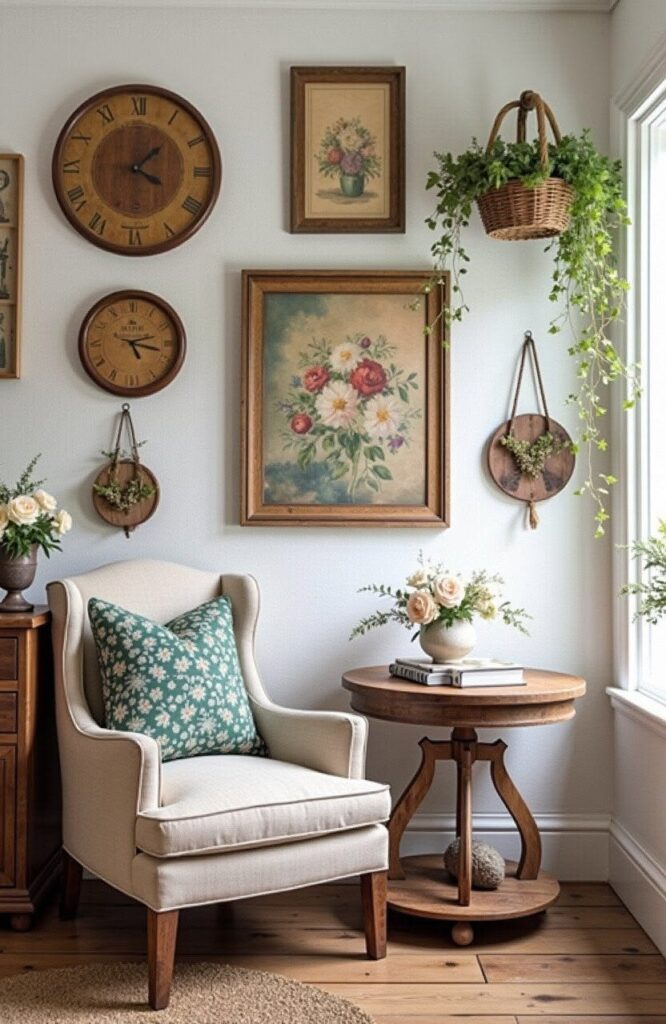
Not everything needs to be brand new. A vintage side table, antique mirror, or inherited decorative object adds character that new furniture often can’t replicate.
Mixing old and new pieces creates a layered, collected look that feels authentic rather than purchased all at once from the same retailer.
50. Frame Your Television Wall
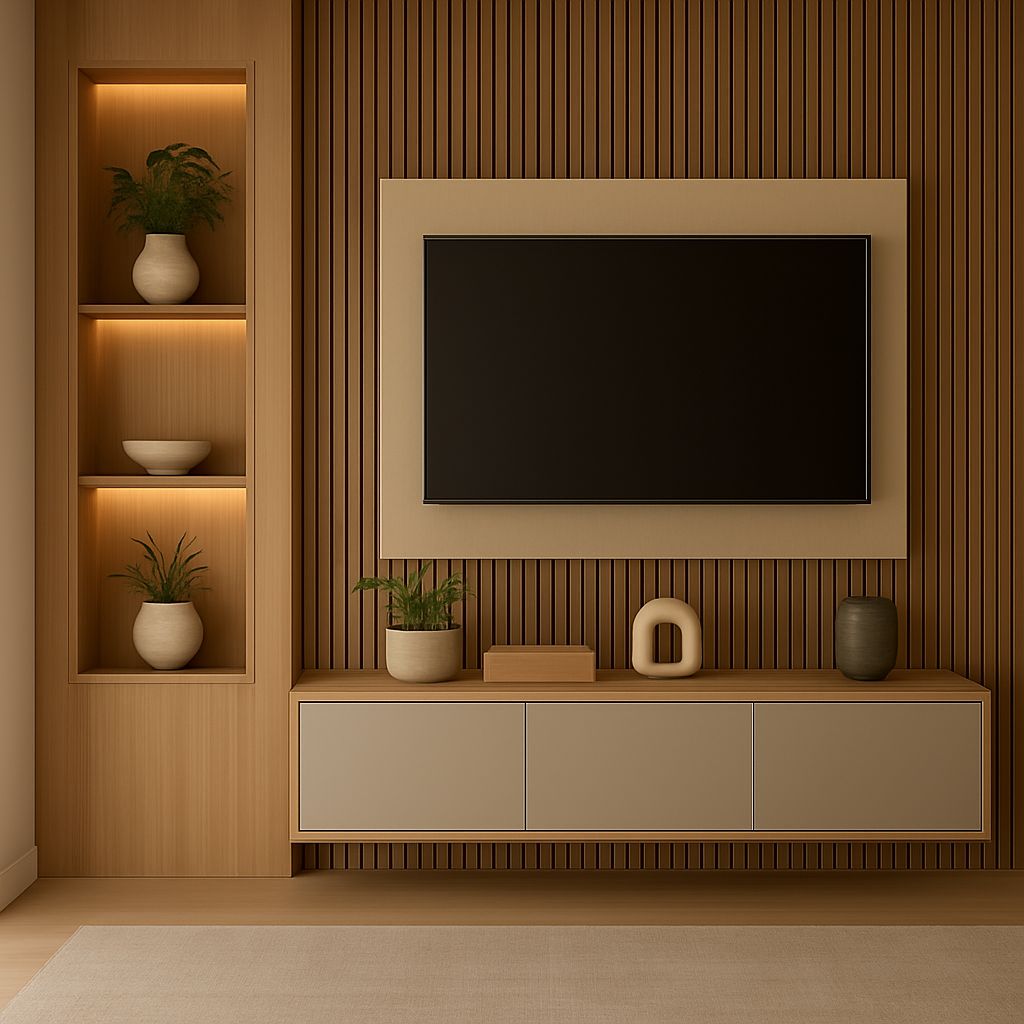
In many homes, the television naturally becomes the focal point. Instead of pretending it is not there, design around it.
Add floating shelves, wall molding, textured panels, or a low media console to integrate the TV into the overall design.
Treating it as part of the room rather than an afterthought creates a much more polished result.
51. Use Floor Lamps to Fill Empty Corners
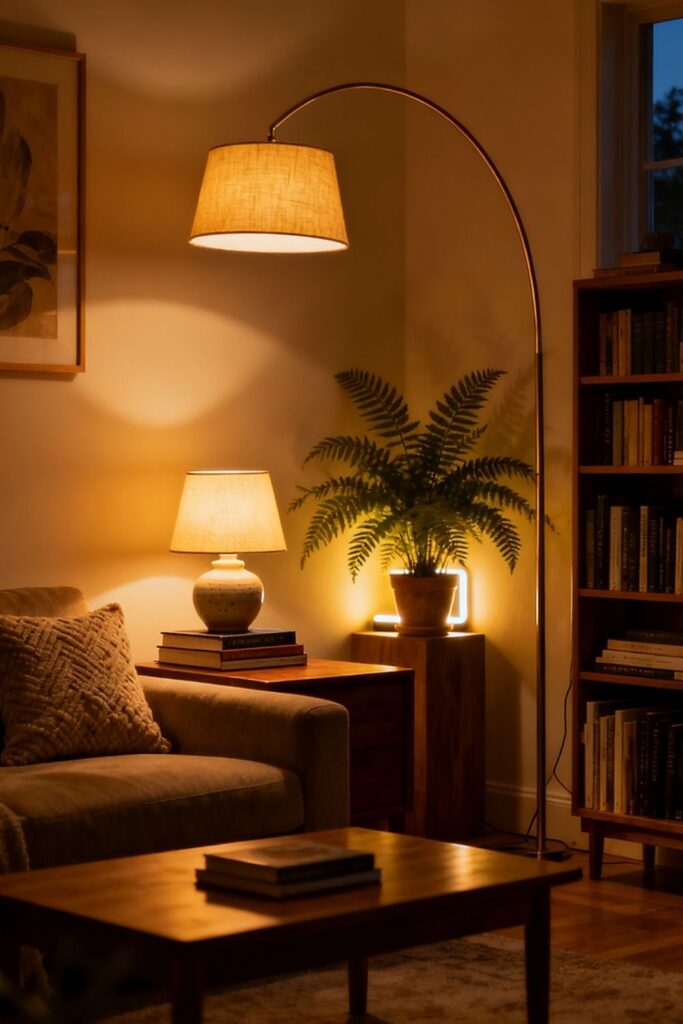
An empty corner doesn’t always need another chair or cabinet.
A sculptural floor lamp adds height, soft lighting, and visual interest without taking up much space
. It’s one of the easiest ways to make a small living room feel layered while improving the atmosphere in the evenings.
52. Create Balance Without Perfect Symmetry
Designer spaces feel balanced, but they aren’t always perfectly matched.
A large plant can visually balance a floor lamp, or a stack of books can offset a decorative sculpture.
Instead of focusing on identical objects, think about balancing visual weight across the room.
This approach feels more natural and less formal while maintaining an elegant, harmonious look.
53. Repeat Shapes Throughout the Room
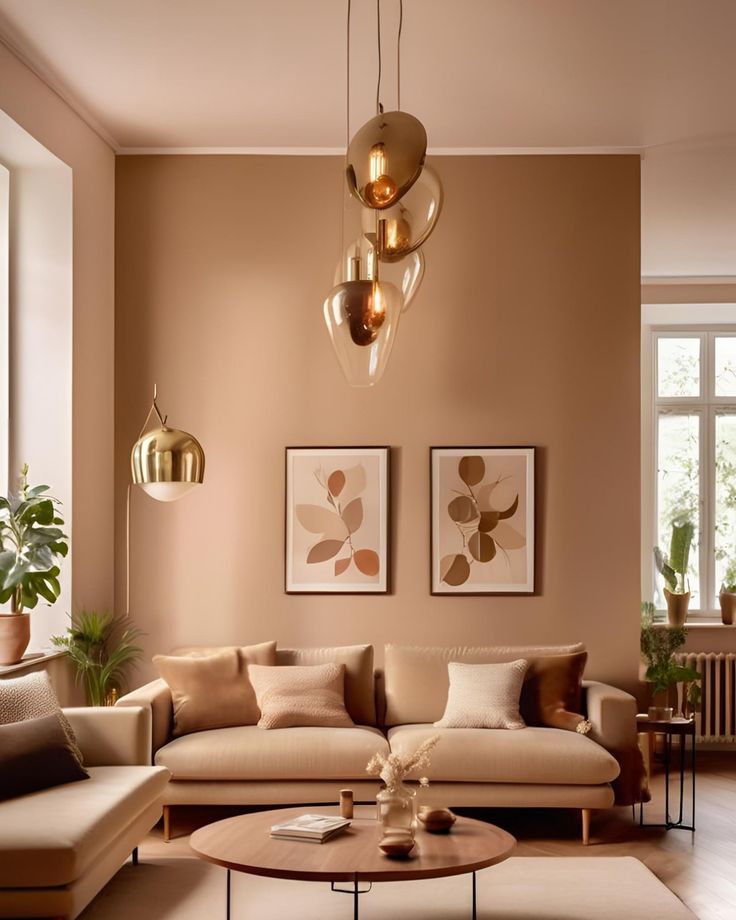
Professional designers create subtle harmony by repeating shapes. If your coffee table is round, echo that curve in a mirror, vase, or lamp.
If your furniture has clean, straight lines, introduce similar geometry in shelving or artwork.
These quiet repetitions help the room feel connected without being overly coordinated.
54. Make the Ceiling Part of the Design
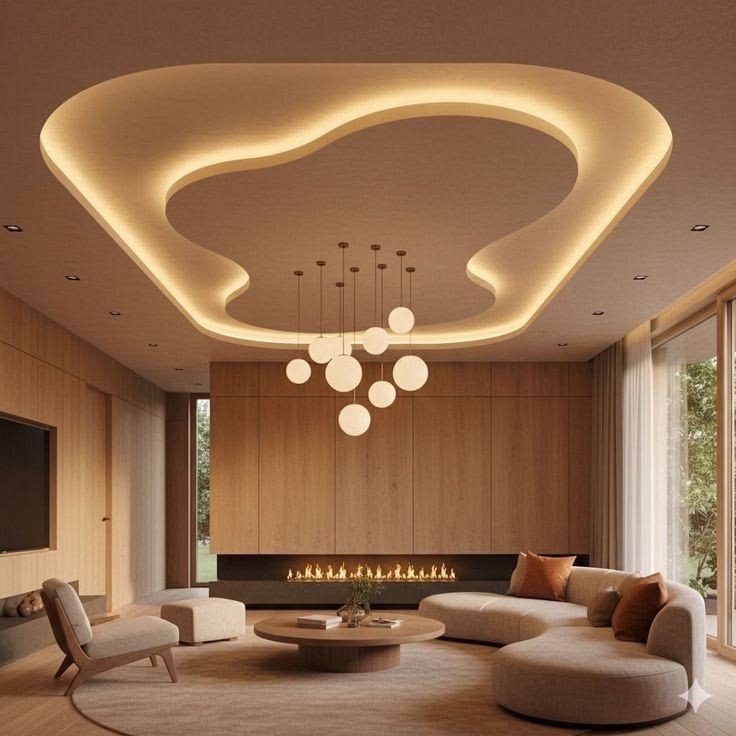
Many people decorate everything at eye level and forget to look up.
A beautiful light fixture, subtle ceiling medallion, decorative beams, or even a fresh coat of paint can draw the eye upward.
Making the room feel taller and more complete. In a luxury small living room, every surface contributes to the overall experience.
55. Hide Cables and Electronics
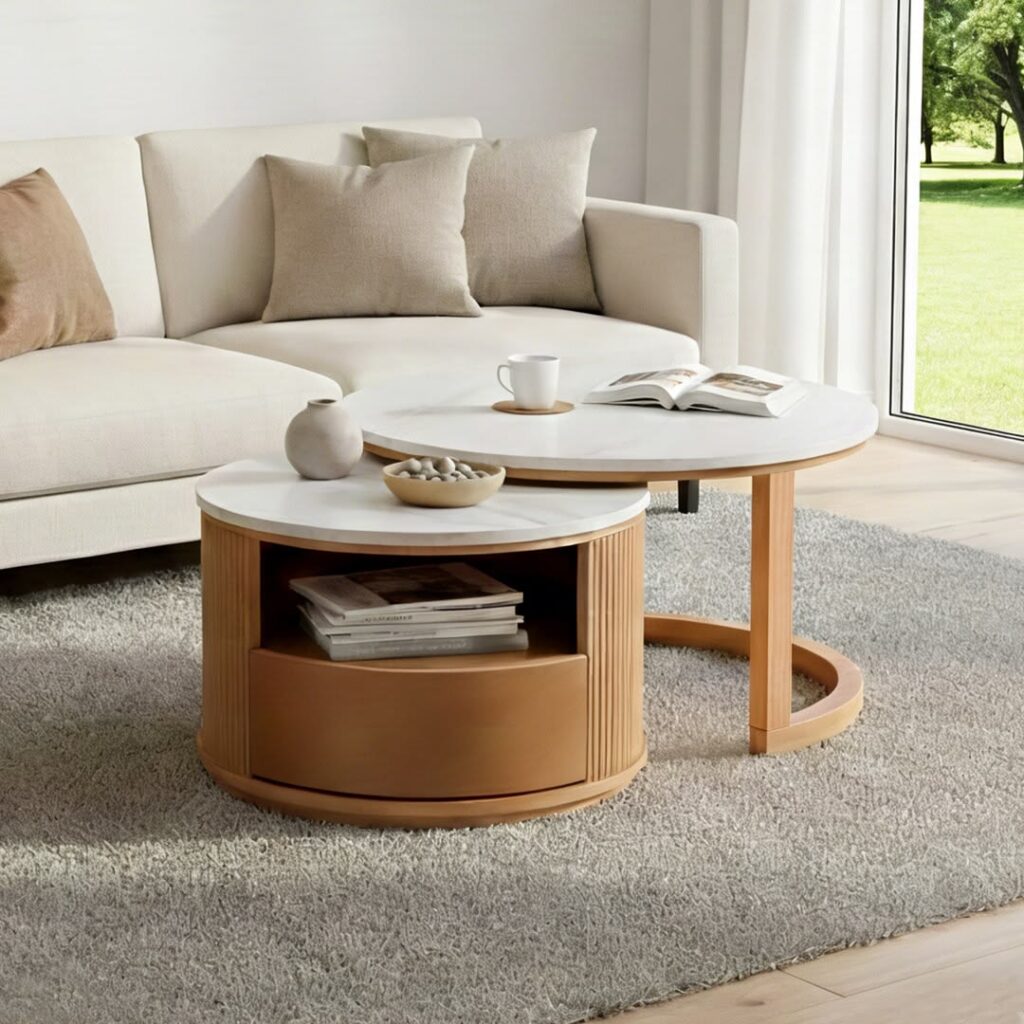
Nothing interrupts a beautifully styled living room faster than tangled cables.
So to maintain that expensive living room look, Conceal television wires, organize charging cords, and keep power strips out of sight whenever possible.
Clean lines help expensive furniture and décor stand out without unnecessary visual distractions.
56. Use Decorative Boxes for Everyday Storage
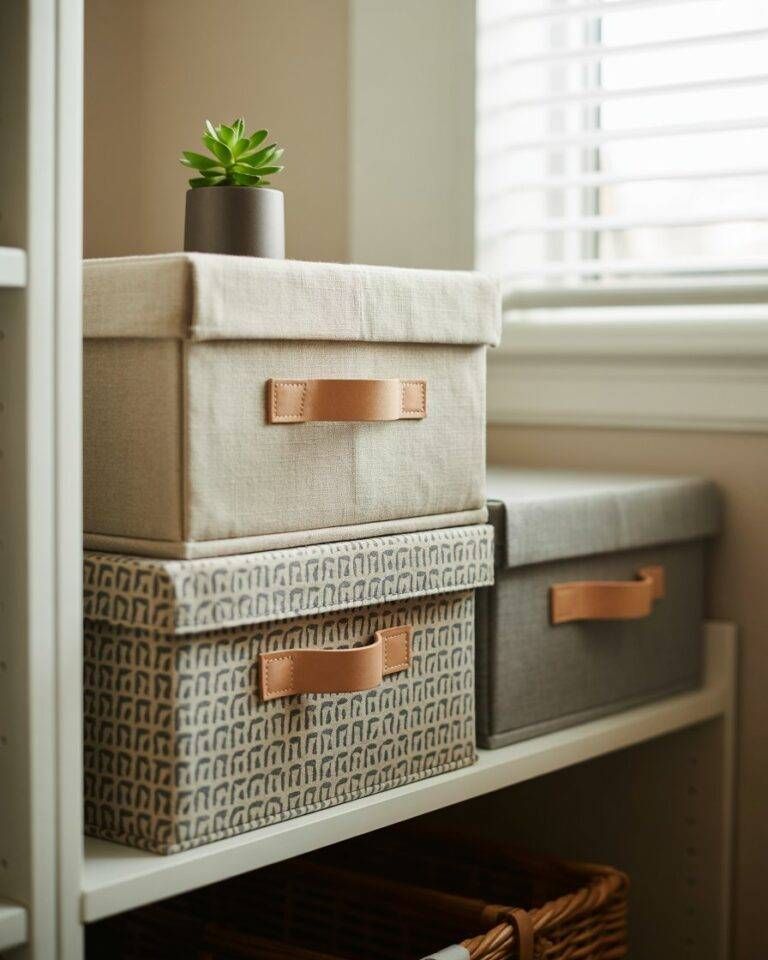
Elegant storage is one of the secrets behind professionally styled homes.
Decorative boxes made from wood, leather, woven materials, or linen can hide remotes, chargers, and small household items while blending seamlessly into your décor.
They’re practical enough for daily life but attractive enough to leave on display.
57. Add a Signature Scent
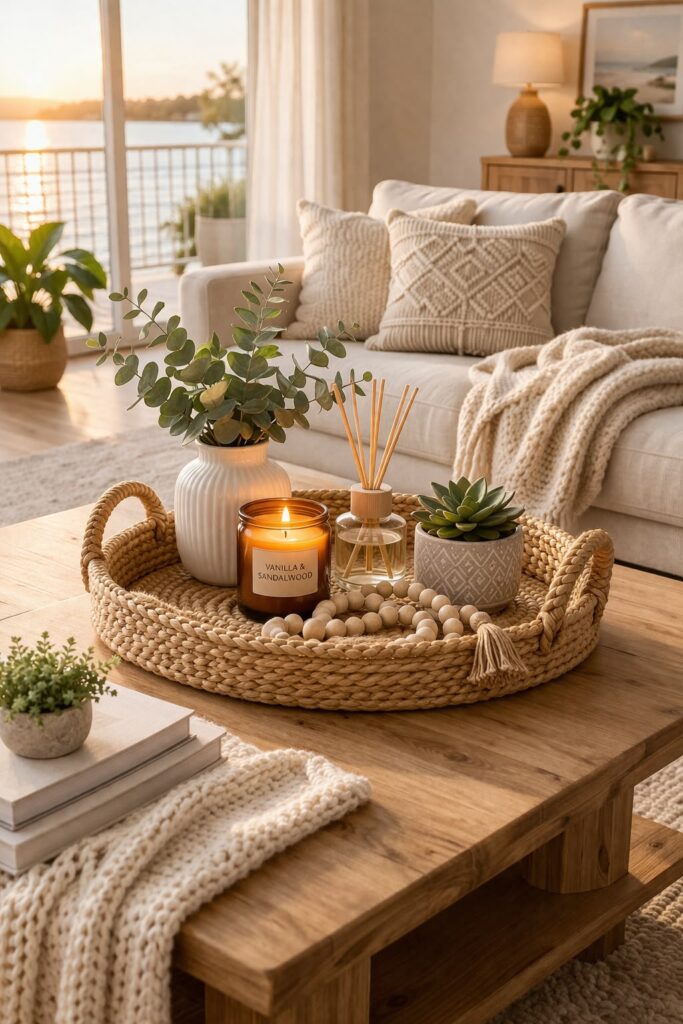
Luxury is not only visual. The moment you walk into a beautifully designed home, you’re often greeted by a subtle fragrance that complements the space.
A quality candle, reed diffuser, or essential oil blend can make your living room feel more welcoming. Choose clean, understated scents that enhance the atmosphere without overwhelming it.
58. Let One Piece Tell a Story
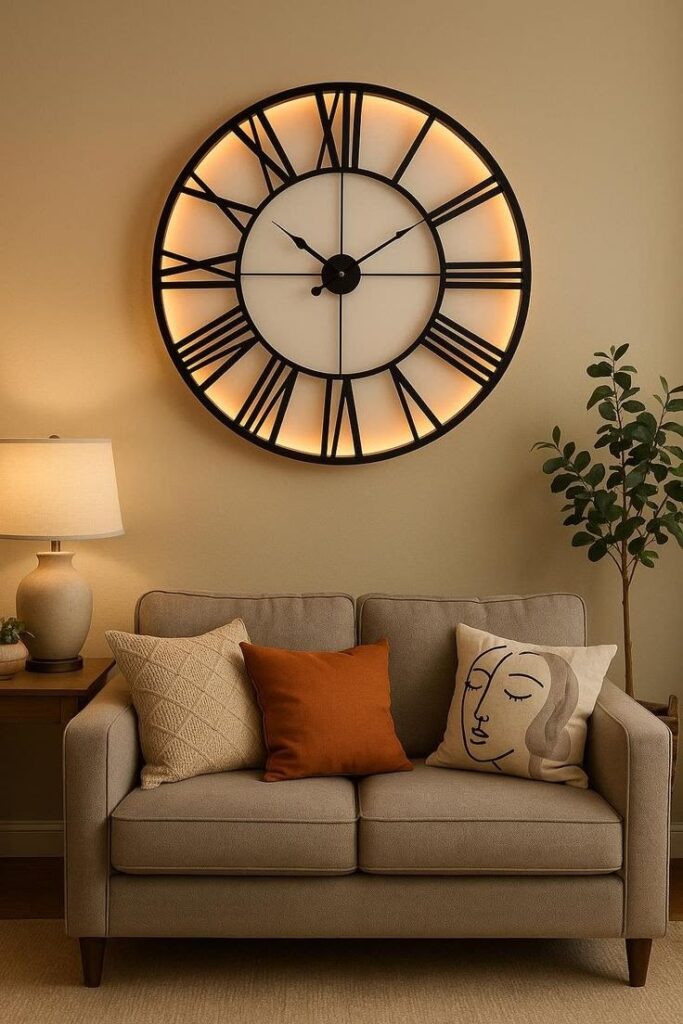
The most memorable living rooms include something personal, it could be a handmade ceramic bowl, artwork collected during a trip, a vintage clock, or a family heirloom.
These meaningful pieces give the room character and authenticity.
Luxury isn’t just about filling your home with expensive objects, it’s about surrounding yourself with items that reflect your story and make the space uniquely yours.
59. Introduce a Rich Accent Color
A neutral room doesn’t have to feel predictable.
Add one rich accent color such as deep olive, navy, rust, or burgundy through cushions, artwork, or a decorative object.
Limiting bold color to a few carefully chosen accents creates depth while allowing the neutral palette to remain the hero.
60. Use a Console Table to Add Dimension
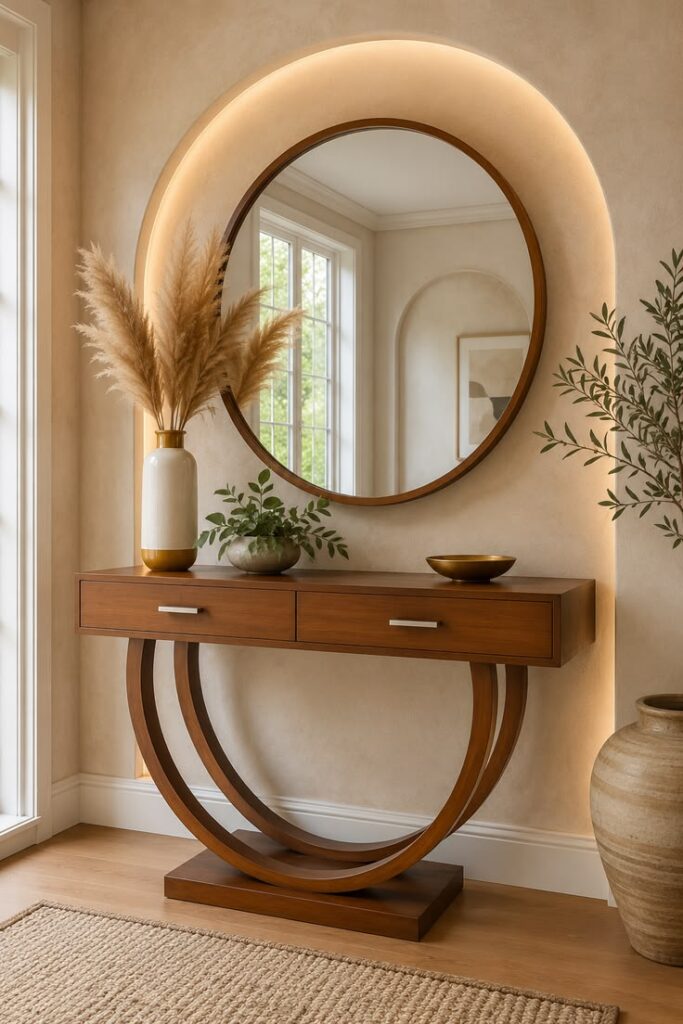
If space allows, place a slim console table behind your sofa or against an empty wall.
It creates another layer within the room and provides a surface for lamps, books, or decorative objects without taking up much floor space.
In open-plan apartments, it can also help define the living area.
61. Blend Open and Closed Storage
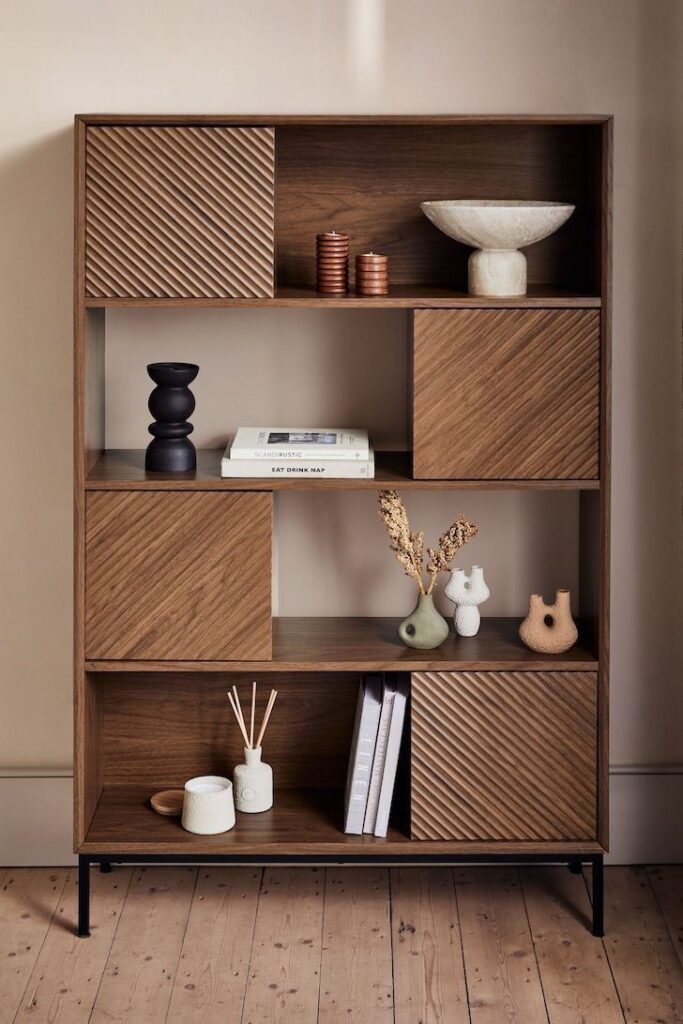
A room filled entirely with open shelves can quickly look cluttered, while closed cabinets alone may feel heavy.
The most polished small living room ideas strike a balance by displaying beautiful objects openly while hiding everyday essentials behind doors or inside baskets.
62. Introduce a Subtle Pattern
Patterns add personality, but they should support the room rather than dominate it.
A striped cushion, textured rug, or understated geometric fabric introduces interest without overwhelming a compact space.
In luxury living room décor, subtle patterns often feel more timeless than bold prints.
63. Create Layers with Soft Lighting
A beautifully designed luxury small living room doesn’t rely on a single overhead light.
Instead, layer table lamps, floor lamps, and accent lighting to create depth and a warm evening atmosphere.
This approach makes the room feel instantly more inviting while highlighting your best design features.
If you’re planning a lighting refresh, explore our guide to Living Room Lighting Ideas for more ways to transform your space.
64. Display Decorative Objects in Odd Numbers
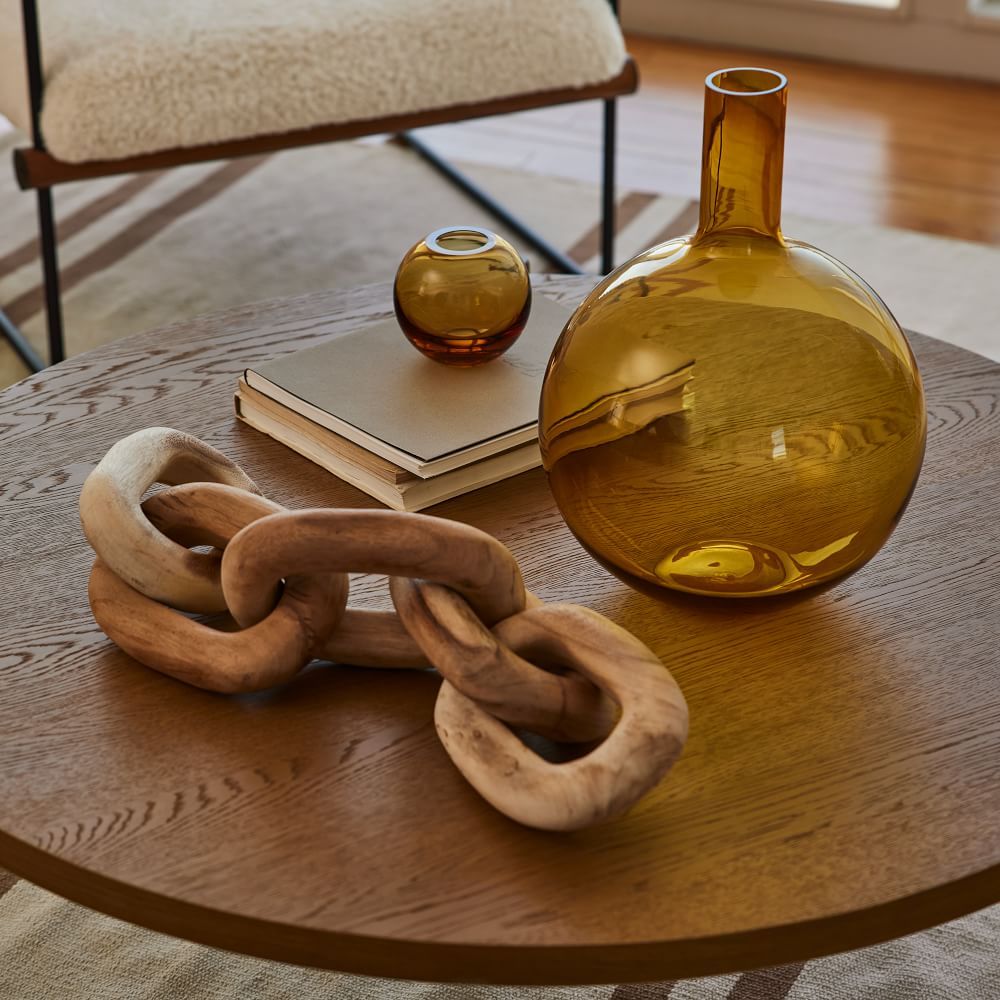
When styling a coffee table, console, or shelf, group decorative pieces in threes or fives instead of evenly matched pairs.
Odd-numbered arrangements feel more relaxed and visually balanced, giving your small living room décor a professionally styled look.
Try combining objects with different heights and materials to create subtle contrast without adding clutter.
65. Mix Smooth and Textured Fabrics
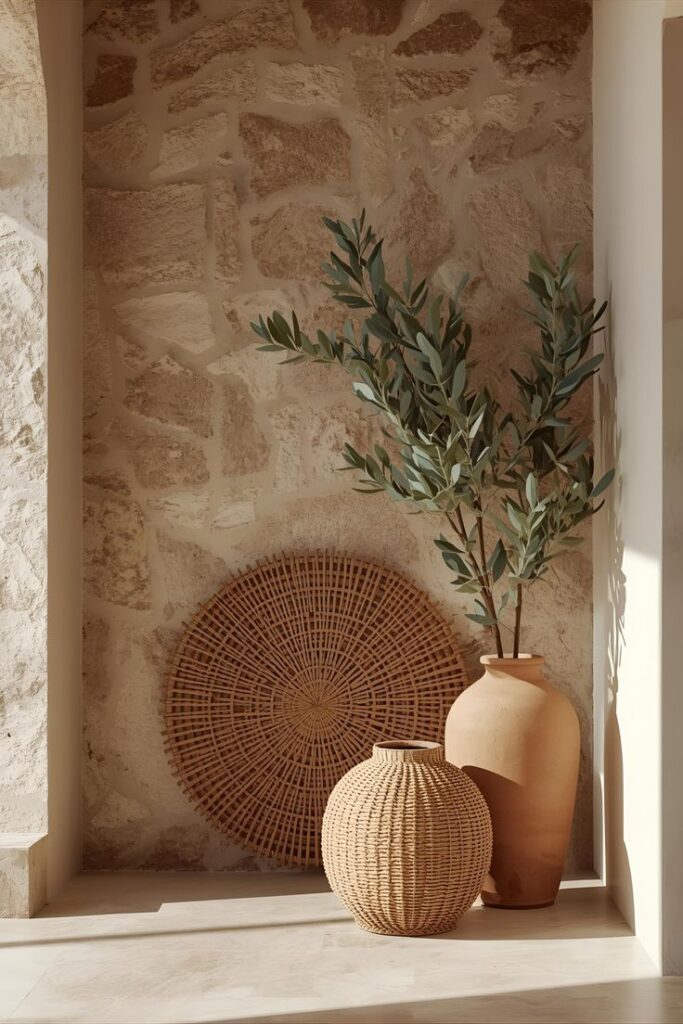
An expensive-looking living room is rarely defined by color alone. Pair smooth materials like leather or cotton with boucle, velvet, chunky knits, or woven fabrics to create richness and depth.
Even a few thoughtfully chosen cushions can make a neutral sofa feel far more luxurious.
If you’re decorating on a budget, this is one of the highest-impact upgrades you can make.
66. Refresh Your Space with the Seasons
Luxury homes evolve throughout the year without requiring a complete makeover.
Swap lightweight throws for cozy knits in cooler months, introduce seasonal greenery, or change cushion covers to reflect subtle shifts in color and texture.
These small updates keep your living room feeling fresh while preserving a timeless foundation.
For more inspiration, see our Affordable Luxury Home Décor Ideas.
67. Blend Old and New for a Collected Look
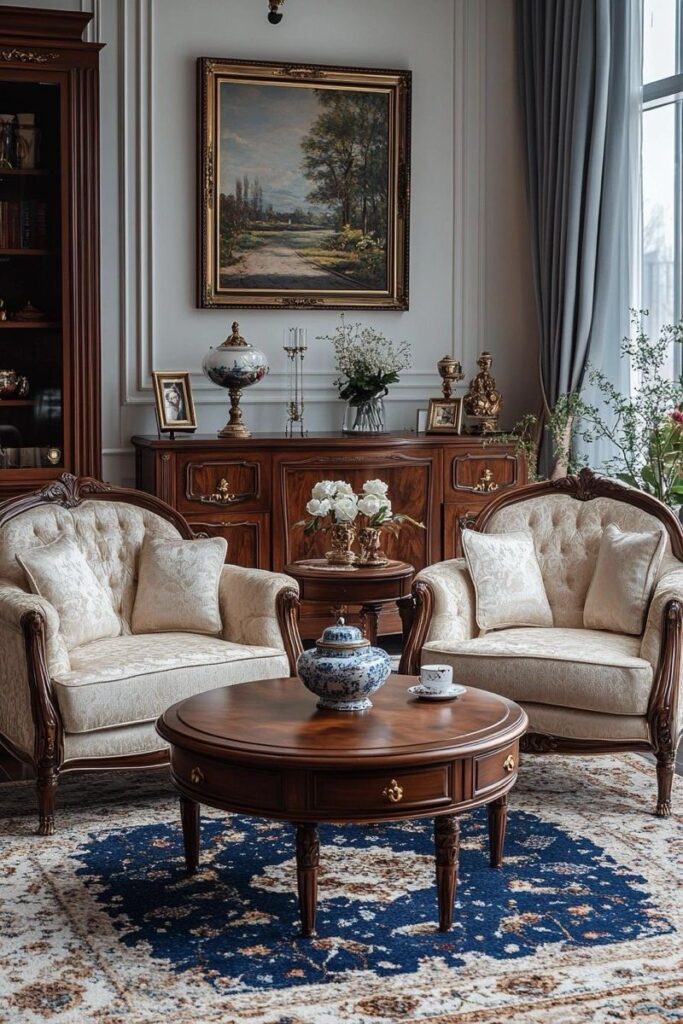
Some of the most elegant interiors combine contemporary furniture with vintage or handcrafted pieces.
A modern sofa paired with an antique side table or a vintage ceramic vase creates character that can’t be bought in a single shopping trip.
This layered approach makes your luxury living room decor feel curated over time rather than copied from a showroom.
68. Let Empty Walls Earn Their Place
Not every wall needs artwork, shelving, or decorative panels. Thoughtfully leaving one wall uncluttered can make the rest of the room feel more balanced and refined.
Designers understand that visual pauses are just as important as decorative moments.
If you’re struggling with overcrowding, our guide to Decluttering Strategies for a More Elegant Home can help you edit with confidence.
69. Prioritize Quality Over Quantity
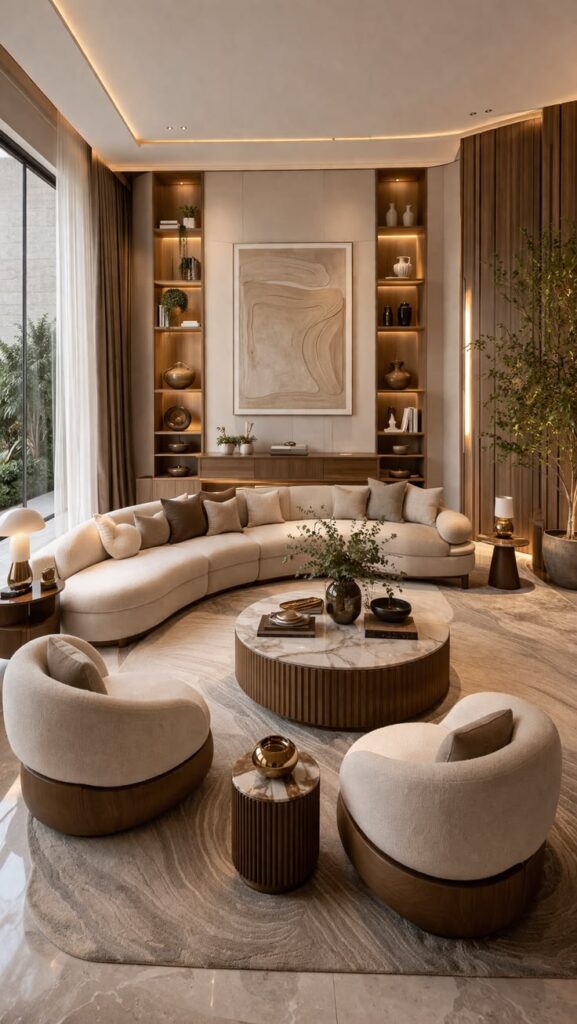
When decorating a small living room, resist the urge to buy everything at once.
One well-made lamp, a beautiful rug, or a timeless armchair will have a greater impact than several inexpensive pieces that compete for attention.
Building your home gradually allows you to choose items you’ll enjoy for years instead of following short-lived trends.
That’s the foundation of affordable luxury and it’s what gives professionally designed homes their lasting appeal.
70. Create a Reading Corner
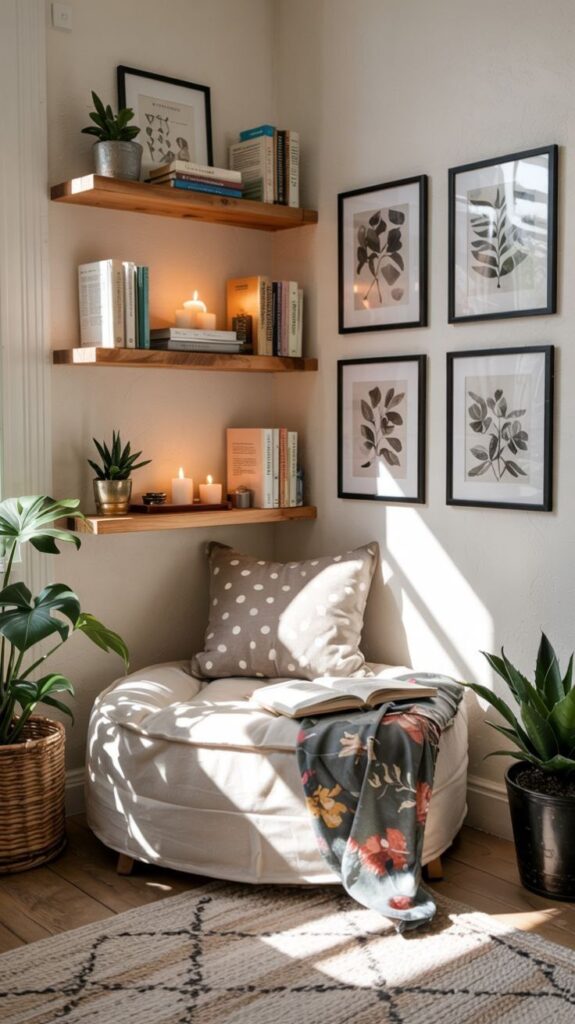
Even the smallest living room feels more luxurious when it includes a dedicated place to unwind.
A comfortable accent chair, a slim side table, and a floor lamp can transform an unused corner into a cozy reading nook.
Beyond adding function, this simple arrangement makes the room feel thoughtfully designed instead of serving only one purpose.
71. Keep Walkways Clear
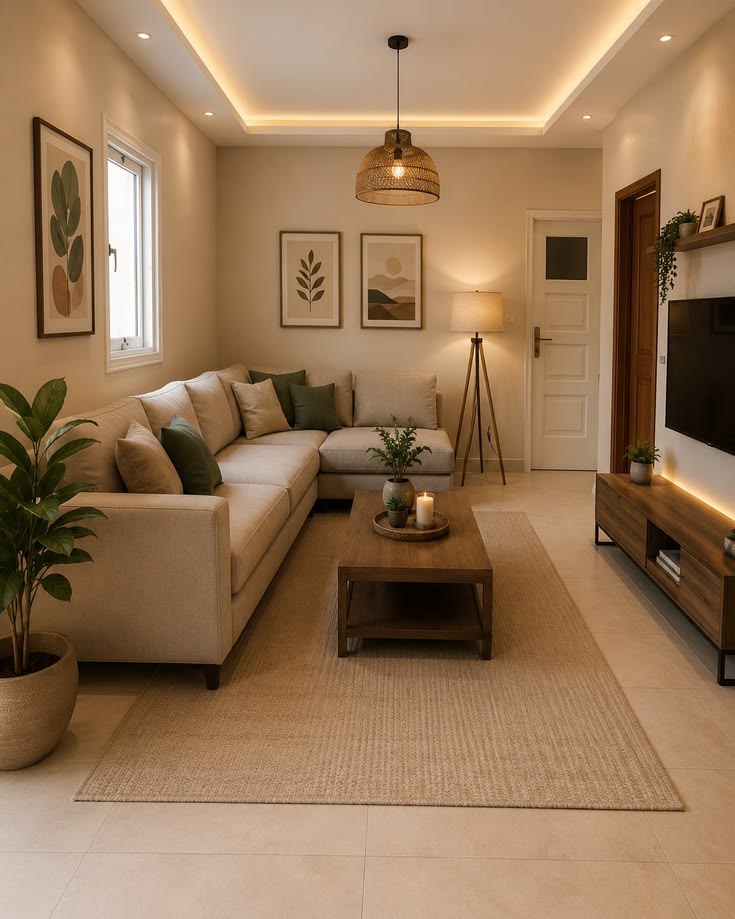
A luxurious living room feels effortless to move through.
Arrange furniture so there’s a clear path between seating areas and entrances without squeezing past tables or chairs.
Good traffic flow makes even a compact apartment feel larger, more comfortable, and intentionally planned.
72. Design Around How You Actually Live
A beautiful living room should support your daily routine, not complicate it.
Even if you work from home, entertain regularly, or spend evenings relaxing with family, let those habits guide your decorating decisions.
A space that functions effortlessly will always feel more luxurious than one designed purely for photographs.
This people-first approach reflects the design philosophy promoted by American Society of Interior Designers (ASID), which emphasizes creating interiors that are both functional and beautiful.
If you’re furnishing a multifunctional apartment, our Small Apartment Decorating Ideas guide offers practical solutions that balance style and everyday living.
73.Decorate with Intention, Not Trends
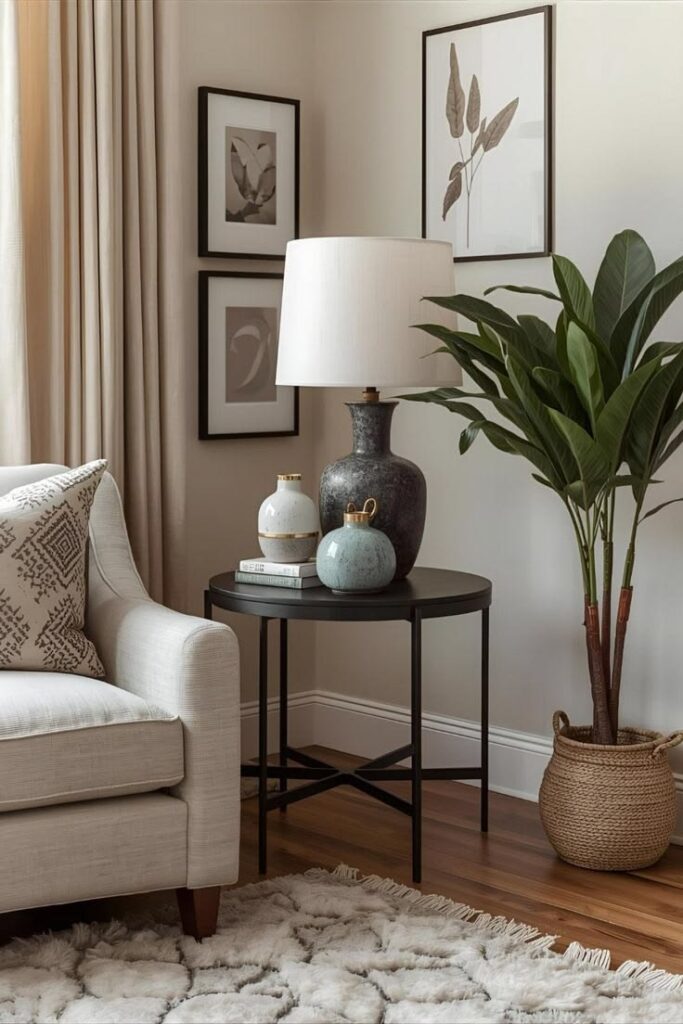
The most timeless luxury small living room ideas aren’t driven by what’s trending on social media, they’re built around thoughtful design decisions that still look beautiful years later.
Before following the latest décor trend, ask whether it complements your home’s architecture, lifestyle, and existing furniture.
If you’re choosing a new color palette, reviewing the annual color forecasts from Pantone can provide inspiration, but use them as accents rather than letting them dictate your entire room.
Timeless spaces evolve gracefully, while trend-driven rooms often require constant updating.
74. Upgrade One Thing at a Time
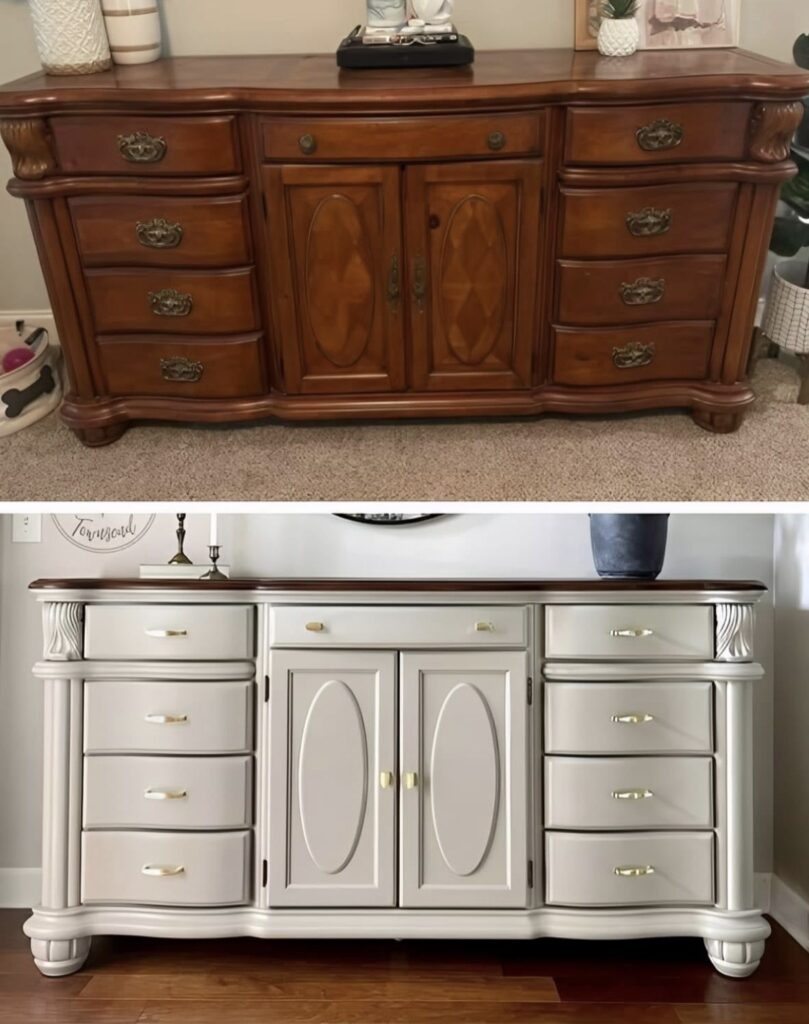
Creating an expensive-looking living room doesn’t happen overnight.
Professional designers often transform spaces in phases, focusing first on the changes that create the greatest visual impact.
Replace your lighting this month, upgrade your rug next, then refresh your artwork when your budget allows.
When selecting paint, browse curated neutral collections from Benjamin Moore or Sherwin-Williams to compare timeless shades before committing.
75. Remember That Luxury Is a Feeling, Not a Price Tag
The most memorable homes aren’t necessarily the largest or the most expensive, they’re the ones that feel calm, welcoming, and intentionally designed.
Thoughtful furniture placement, layered lighting, beautiful textures, quality craftsmanship, and meaningful personal touches create an atmosphere that money alone can’t buy.
As you apply these luxury small living room ideas, focus on making smart design decisions rather than chasing perfection. That’s the secret behind interiors that not only look expensive but also feel like home.
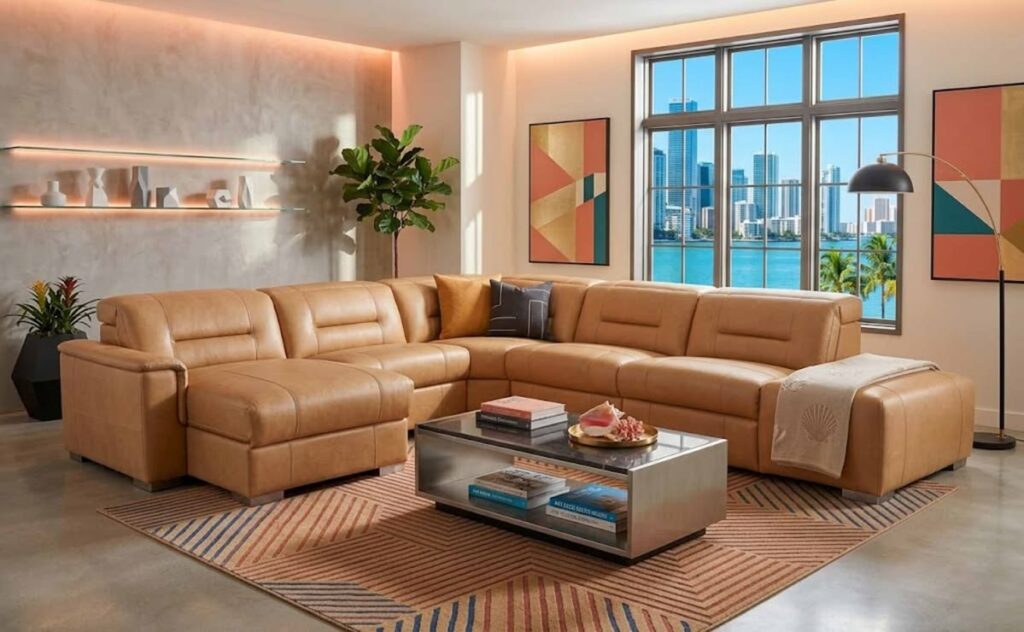
Conclusion: Create a Luxury Small Living Room That Reflects Your Style
Creating a beautiful home isn’t about having the biggest budget. it is simply about making intentional design choices that work together.
As these 75 luxury small living room ideas have shown, the most elegant interiors are built on thoughtful layouts, balanced proportions, layered lighting, quality textures, and carefully chosen décor rather than expensive price tags.
So going forward, whether you’re decorating a compact apartment, a rental, or a modest home, you don’t need to renovate everything at once.
Start with one or two changes that will have the greatest visual impact, then build your space gradually. Over time, those small improvements create a living room that feels polished, welcoming, and uniquely yours.
Remember, a truly expensive looking living room isn’t defined by designer labels, but by how effortlessly every element works together.
When every piece has a purpose, every material adds texture, and every design decision supports both beauty and function, even the smallest space can feel refined and luxurious.
If you’re ready to continue transforming your home, explore our guides on how to make your living room look like a luxury hotel lounge, Luxury Home Décor on a Budget, Small Apartment Decorating Ideas, Living Room Lighting Ideas , and Timeless Home Décor Trends That Never Go Out of Style for even more expert inspiration.
Luxury is not about spending the most money rather is about making the smartest design decisions and creating a home you’ll love coming back to every single day.